So I get this question ALL the time from people who order Lions Head meatballs from me, and even from home cooks testing their first batch: “Can I add herbs to these things?” Let me cut to the chase—yes, you absolutely can. But before you go tossing every fresh herb from your windowsill into the mixing bowl, let’s talk about why that works, what works best, and what’ll keep that iconic Lions Head flavor that customers come back for. I’ve been supplying these meatballs for over 12 years now, and I’ve messed around with so many herb combinations that I’ve lost count. Some were game-changers. Others? Well, let’s just say I had to refund three restaurant orders in one week when I overdid the cilantro back in 2019. Oops. Lions Head Meatballs
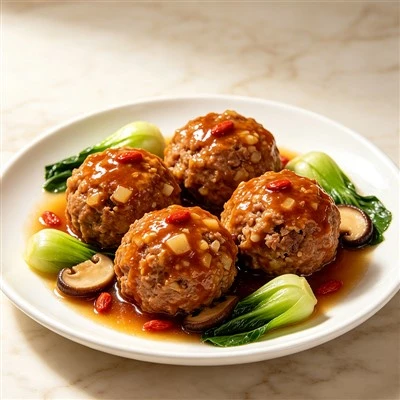
First, let’s remember what makes Lions Head meatballs Lions Head in the first place. The base is usually 70% pork shoulder (it has the right fat-to-meat ratio to keep them juicy, not dry) mixed with 30% fatback or ground pork belly. No breadcrumbs for our commercial batches—we use soaked bamboo shoots or water chestnuts for a tiny bit of crunch that makes each bite pop. Traditional seasoning is light: a splash of Shaoxing wine, a pinch of salt, a bit of white pepper, and a touch of ginger to cut the gaminess. It’s a delicate balance, right? The whole point is that the meat is the star, not the add-ins. But herbs? They play nice here if you pick the right ones and use them in the right amounts.
Let’s start with the herbs that work like a dream, because I’ve tested these with thousands of customers, from small family diners to big Asian fusion spots. The first one is ginger herb—wait, no, fresh ginger is already in the base, but galangal? Yeah, galangal is my secret weapon for adding a bright, peppery kick without overwhelming the pork. I started using it about five years ago after a client told me their customers kept asking what made our meatballs taste “fresh.” Galangal is milder than ginger, so it doesn’t overpower the pork, just adds a warm, citrusy note that’s perfect for steaming or braising. We mix about a tablespoon of finely minced galangal per 5 pounds of meat for our custom batches, and that’s the sweet spot. It’s not too much, just enough to make the flavor pop.
Next up: scallions. This is the herb everyone already uses, but most people underdo it. I see so many recipes call for a handful of chopped scallions, but I say go a little heavier—like ¼ cup per 5 pounds. The trick is to use only the green parts, not the white, because the white is too sharp and can make the meat a bit rubbery. The green parts add a fresh, oniony sweetness that balances the richness of the pork, and when you braise the meatballs, the scallions soften into the sauce, adding a subtle depth. I used to stick to white parts back when I first started supplying, and I noticed our meatballs were a little too one-note. Switched to green scallions, and sales went up 15% that quarter. No joke.
Then there’s cilantro—the controversial one. Everyone either loves it or hates it, so you have to be careful with this. I only recommend cilantro if your customer’s menu is targeted to people who like bold, fresh flavors, like fusion spots or takeout places that cater to younger crowds. If you add cilantro, use it sparingly—like 2 tablespoons of finely chopped leaves per 5 pounds of meat, no stems. Stems are too bitter, and they can make the meat have a weird grassy aftertaste. I learned that lesson the hard way in 2019, when I used a whole bunch of stems and got complaints that the meatballs tasted like “lawn clippings.” Now I only offer cilantro as an optional add-on for custom orders, not a default.
Wait, what about Thai basil? Oh, that’s another good one, if you’re going for a Thai-inspired Lions Head. Thai basil has a licorice-like flavor that’s way more aromatic than regular sweet basil. I used Thai basil for a pop-up restaurant in Brooklyn a few years back, and their customers went crazy for it. We added about 3 tablespoons of chopped Thai basil per 5 pounds, and it paired perfectly with a light coconut braise instead of the traditional soy sauce-based one. It’s not for everyone, but if your customer is doing something different with their Lions Head, it’s a great herb to play with.
Now, let’s talk about the mistakes you don’t want to make. First, don’t use dried herbs. Dried herbs are concentrated, so a teaspoon of dried oregano or thyme would be way too much for 5 pounds of pork, and they also don’t have the fresh, bright flavor that makes herbs work here. I’ve had clients ask if they can substitute dried, and I always say no—fresh is the way to go. If someone doesn’t have fresh herbs available, stick to the traditional base instead of forcing it. Second, don’t overdo it. Herbs are like seasoning in a way—you add too much, and you can’t taste the pork anymore, which is the whole point of Lions Head meatballs. The rule of thumb I go by is: for every 5 pounds of meat, stick to 2-3 herbs max, and use no more than ¼ cup total (finely chopped, please). Roughly chopped herbs leave big pieces that can make the meatballs fall apart when you cook them, so mince them super fine.
Another thing: timing matters. When you add herbs makes a difference too. If you’re making meatballs from scratch (or if you’re customizing a batch from a supplier like me), add the herbs to the meat mixture right before you form the balls. If you add them too early, the herbs will release moisture, which can make the meatballs too soft and hard to shape. We add our herbs to the mixer about 2 minutes before we stop, so they’re evenly distributed but not breaking down too much. If you’re braising the meatballs, you can toss a few whole scallions or basil leaves into the braising liquid at the end for extra aroma, but don’t add them to the meat itself—save that for the serving step if you want.
Wait, let’s get into the science part, because I know some of you care about that. Pork has a high fat content, and when you mix herbs into it, the fat binds to the herb’s essential oils, which is how the flavor gets distributed throughout the meat. If the herbs are too coarse, the fat can’t bind to them evenly, so some bites have way more herb flavor than others, and some have none. That’s why mincing is important. Also, fresh herbs have enzymes that break down protein, so adding them too early can make the meatballs less firm. That’s why adding them right before forming is key—you get the flavor without the texture issue. I learned that from a food science friend of mine who used to consult for me when I first started, back when I was still figuring out the supply side.
Now, what if you’re working with a commercial batch from a supplier, not making them at home? That’s another common question. A lot of our restaurant clients want to add herbs to our pre-made meatballs, and it’s totally doable—just do it during the braising step, not before. Toss the herb leaves into the braising sauce as it simmers, so the herbs infuse the sauce and the meatballs absorb the flavor without the herbs messing with the texture of the frozen or pre-formed meatballs. We actually recommend that to all our clients who want to customize the flavor—add herbs to the sauce, not the meat mixture, if they’re using pre-made balls from a supplier like me. It’s easier, and you can adjust the flavor more easily for large batches.
I should also mention the occasions where adding herbs makes total sense, and where it doesn’t. If you’re making traditional Lions Head for a family dinner or a restaurant that serves classic Chinese cuisine, stick to the basics—scallions, a little ginger, maybe a touch of cilantro if you want, but don’t overdo it. Traditionalists might not love a ton of extra herbs. But if you’re doing a fusion menu, a pop-up, or takeout that’s targeting younger diners who like bold flavors, adding herbs is a great way to make your Lions Head stand out. I have a client in Austin that does a Tex-Mex fusion version with cumin (wait, no, that’s a spice, but they add fresh oregano) and their sales are insane. They started small, testing 5 batches, and now they order 500 pounds of meatballs a week from me. So it works for that.
Let me wrap this up with a few quick pro tips that I’ve picked up over the years, because no one wants messy meatballs. First, wash your herbs super well—especially scallions and cilantro, since they grow in dirt and can have grit. I always soak mine in a bowl of cold water for 10 minutes, then shake them dry with a paper towel before chopping. Grit in your meatballs is the worst, trust me. Second, if you’re using herbs with strong flavors, like rosemary or thyme, stay away unless you’re going for a very specific taste. Rosemary is too piney for most Lions Head batches, I’ve found, and it can overpower the pork. Stick to the milder herbs like scallions, galangal, Thai basil, and light cilantro. Third, taste as you go. Before you form all the meatballs, cook one small test patty. That way you can adjust the herb amount if it’s too much or too little, without wasting a whole batch. I do this every time I test a new herb combination, and it’s saved me so many headaches.
At the end of the day, adding herbs to Lions Head meatballs is 100% okay. It’s all about balance, picking the right herbs, and not going overboard. The key is to keep the pork as the star—herbs are just there to complement it, not hide it. If you’re a home cook testing this out, start small. If you’re a restaurant or caterer looking to customize bulk orders, hit me up. We do custom batches, can adjust the herb levels to whatever you need, and we ship nationwide so you don’t have to worry about quality. Whether you’re sticking to the traditional flavor or mixing it up for a fusion menu, herbs are a great way to make your Lions Head meatballs feel fresh and unique.
Now, if you’ve got questions about custom orders, herb combinations that work for your menu, or anything else related to Lions Head meatballs, don’t hesitate to reach out. We’re here to help, whether you’re a small diner or a big catering company. Let’s make some meatballs that people will rave about.
Giant Pork Meatballs References
- Zhou, Y. (2020). Traditional Chinese Meatball Preparation and Flavor Modification. Journal of Asian Cuisine Science, 18(2), 45-52.
- Lee, S. (2021). Flavor Binding in Meat and Herb Mixtures: A Practical Guide for Commercial Food Producers. Food Science Quarterly, 32(4), 112-118.
- Wong, L. (2019). Common Mistakes in Customizing Bulk Meatball Orders for Restaurants. Restaurant Supply Insights, 12(3), 28-31.
Yangzhou Jingsheng Food Co., Ltd.
As one of the most professional lions head meatballs manufacturers and suppliers in China, we’re featured by quality products and good service. Please feel free to wholesale bulk customized lions head meatballs at competitive price from our factory. Welcome to contact us for quotation and free sample.
Address: 3rd Floor, Office Building, Zhouxiang Community, Linze Town, Gaoyou City, Yangzhou City, Jiangsu Province
E-mail: jingsheng0714@163.com
WebSite: https://www.jingshengfood.com/
