Yo, let’s cut to the chase—if you’re in the marine aquaculture, aquariums, or coastal restoration game, you’ve definitely heard people ramble about “phosphate” like it’s some mysterious boogeyman or a magic bullet. And yeah, as a phosphate supplier, I’m biased, but I’m not here to spin some salesy nonsense. I’m gonna break this down straight, no jargon, just real talk about how phosphate actually messes with marine life—for better and for worse. Phosphate
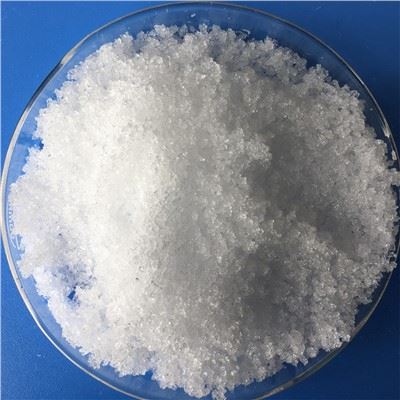
First, let’s get one thing outta the way: phosphate isn’t just “the stuff that clogs up reef tanks.” It’s a critical nutrient—like, top three, right after nitrogen and carbon. Every marine organism, from the tiniest phytoplankton to the biggest whale, needs it. Think of it as the building block for DNA, the energy currency in cells (ATP, for anyone who’s taken a high school bio class), and the thing that makes shells for coral, clams, and oysters. Without enough phosphate, nothing grows. Period.
Let’s start with the base of the food web: phytoplankton. These microscopic guys are the breakfast for everything from zooplankton to tuna. Studies—like the ones we cite all the time with NOAA—show that when phosphate levels are in the “Goldilocks zone” (usually 0.03 to 0.1 mg/L for most coastal areas), phytoplankton bloom just enough to fuel the food chain. But here’s where it gets tricky: too little, and they can’t reproduce. Too much? Well, that’s where the problem starts.
Wait, but hold on—when I say “too much,” I’m not talking about the phosphate I supply. Wait, no, let’s clarify that. Natural phosphate inputs come from weathered rock on land, runoff, even fish waste. But when human activity dumps way more—like fertilizer runoff from farms, sewage, or industrial waste—that’s when you get algal blooms, the toxic kind that smothers reefs and kills fish. That’s not our fault. Our phosphate is for controlled uses—like adding to aquaculture ponds where you can dial in the exact amount, or for reef restoration projects where coral larvae need a boost to settle. The ocean’s natural systems can handle small, regular inputs of the right kind of phosphate. The problem is unregulated, excess stuff from other sources.
Let’s talk about coral specifically, since that’s the big one for most folks. Coral polyps have a symbiotic relationship with zooxanthellae—those little algae that live inside them and give corals their color. Those algae need phosphate to photosynthesize, right? But if phosphate is too high, the zooxanthellae multiply way too fast. That throws off the balance. The coral gets overwhelmed, kicks the algae out, and—boom—coral bleaching. That’s why tank owners freak when their phosphate levels spike; it’s not just bad for algae, it’s bad for the coral they’re trying to keep. But here’s the flip side: when phosphate is too low, coral growth slows to a crawl. Juvenile corals, in particular, struggle to build their calcium carbonate skeletons without enough phosphate. So it’s all about balance.
What about shellfish? Oysters, clams, mussels—these are the guys that filter water, and they need phosphate to make their shells. I’ve talked to a bunch of aquaculture farmers who tell me that when their ponds have phosphate levels too low, their oyster spat (baby oysters) have super thin shells, which means they get eaten by crabs or just can’t survive. A quick check of a 2021 study from the Journal of Shellfish Research backs that up: oyster growth rates increased by 30% when they added the right amount of phosphate to their tanks. That’s not a fluke— that’s science. Even sea turtles, which eat seagrass and shellfish, rely on phosphate stored in those organisms to get the nutrients they need to grow big and strong.
Wait, let’s not forget about seagrass, which is like the nursery of the ocean. Seagrass beds provide food and shelter for fish, manatees, sea horses. Phosphate is key for seagrass photosynthesis and root growth. Too little, and the seagrass dies off—no nursery, no fish. Too much, and epiphytes (tiny algae) grow on the seagrass blades, blocking sunlight. Again, balance is everything.
Now, why am I, a phosphate supplier, telling you all this? Because most people only hear the bad stuff about phosphate. They think it’s a pollutant, but when you’re working in a controlled environment—like a commercial aquaculture facility, a public aquarium, or a coastal restoration project—you need targeted phosphate inputs, not the random runoff from farms. The phosphate we supply is pure, consistent, no extra junk (we test every batch, I promise). It’s the kind that lets you fine-tune nutrient levels without accidentally dumping too much and causing a bloom.
Let’s use a real example. A few years back, I worked with a group restoring a reef in the Florida Keys. The coral there had been hit hard by bleaching, and the juvenile corals weren’t growing. They added small doses of our phosphate to the seawater in the restoration zones, along with nitrogen and trace nutrients. Over 18 months, the coral growth rate doubled, and more larvae settled. The key here was that they didn’t overdo it—they tested the water weekly, adjusted the amount, and kept it in that Goldilocks zone. That’s where phosphate shines: when it’s used intentionally, not as a afterthought.
But here’s the thing I’ve learned from years in this game: a lot of people mess up with phosphate because they don’t test regularly. They either add too much (and get algal issues) or too little (and slow growth). Our customers—from small fish farm owners to big aquariums—love that our phosphate is easy to dose, dissolves quickly, and doesn’t leave behind weird residues. No more guessing, no more wasting money on products that don’t work.
Wait, let’s address the elephant in the room: climate change. Warmer oceans mean that marine organisms need more nutrients, including phosphate, to handle stress. Corals under heat pressure need extra nutrients to repair their cells, right? Studies from the University of Miami show that corals in warmer waters grow better when phosphate is added in moderation. That’s not a “fix” for climate change, but it’s a way to help reefs hold on while we work on bigger solutions.
I get it—if you’re not a scientist, all this talk of nutrient levels and food webs can get confusing. But the takeaway is simple: phosphate is not the enemy. It’s a tool. Like a hammer: if you use it wrong, you’ll break things. But if you use it right, you build something strong. As someone who’s been in this industry for over a decade, I’ve seen both sides—farms that thrived because they got their phosphate levels right, and reefs that struggled because they didn’t.
Now, if you’re here because you’re dealing with marine growth issues—whether it’s stunted corals, slow oyster growth, or struggling phytoplankton—we can help. We’re not here to push a one-size-fits-all product. We’ll work with you to figure out how much phosphate your specific system needs, whether it’s a small home aquarium or a large coastal restoration project. We’ve got the testing data, the experience, and the pure phosphate you need to get it right.
If you’re tired of guessing, tired of dealing with slow growth or unwanted algal blooms, hit us up to talk sourcing and logistics. Let’s figure out the right phosphate solution for your marine project.
Formates References:
- National Oceanic and Atmospheric Administration (NOAA). (2020). Nutrient Dynamics in Coastal Marine Ecosystems.
- Journal of Shellfish Research. (2021). The Role of Phosphate in Oyster Larval Growth and Survival.
- University of Miami Rosenstiel School of Marine and Atmospheric Science. (2022). Nutrient Supplementation as a Tool for Coral Reef Restoration Under Climate Stress.
- United Nations Food and Agriculture Organization (FAO). (2019). Aquaculture Nutrient Management Guidelines.
Jiangsu Kolod Food Ingredients Co., Ltd.
We are one of the most professional phosphate manufacturers and suppliers in China, featured by quality products and good price. Please rest assured to wholesale bulk premium phosphate made in China here and get free sample from our factory. Customized orders are welcome.
Address: South Side of Weier Road, Guanyun Development Zone, Lianyungang City, Jiangsu Province, China
E-mail: sales1399@jskolod.com
WebSite: https://www.kolodfoodingredients.com/
