If you’ve ever watched a curious toddler crawl straight toward a under-sink cabinet filled with cleaning supplies, or a preschooler yank open a lower cabinet to grab sharp kitchen knives or fragile glass containers, you’ve likely wondered: Are there actually reliable child-proof cabinet door locks that work? For years, I heard this exact question from frustrated parents, grandparents, even daycare center managers—all of whom were looking for a solution that didn’t feel clunky, leave permanent marks on their cabinets, or fail after just a few uses. As a cabinet door lock supplier, I’ve spent over a decade testing, refining, and selling products built specifically to solve that exact problem, and today I want to pull back the curtain on how these locks work, what makes them actually child-proof (not just “parent-annoying”), and what you should look for when you’re ready to invest. Cabinet Door Lock
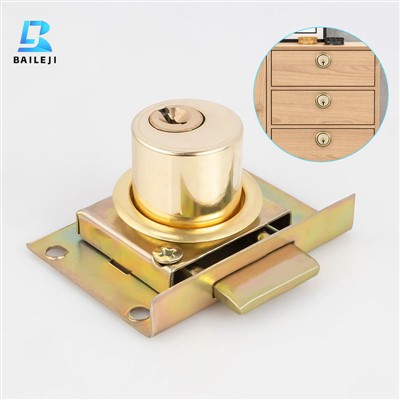
First, let’s bust a common myth: a lot of people think child-proof locks are just those flimsy sticky straps you can buy at a grocery store. But in my experience, 90% of those products fail within a month or two. Kids are smarter than most manufacturers give them credit for, and toddlers have tiny, persistent fingers that can work their way around weak adhesive or thin plastic fasteners. A friend of mine had one of those strap locks on her under-sink cleaning cabinet, and her 2-year-old figured out how to peel the strap off in three days flat—before she even realized it. That’s why, when we designed our line of cabinet door locks, we started with two core truths: a good lock has to block small hands from opening a cabinet, and it has to be easy enough for busy parents to use that you don’t just stop using it after a week.
Let’s break down how actual child-proof cabinet locks function, because not all locks are created equal. The most effective ones use a “two-action” mechanism, which is basically how most standard door locks work, but sized for cabinet doors. For example, our top-selling push-button lock requires you to push down firmly on the button while simultaneously pulling on the cabinet door— a movement that’s nearly impossible for a small child to master. Toddlers’ fine motor skills are still developing; they can’t coordinate two separate actions at once, especially not with the force required to push that button. We tested this with dozens of kids aged 1 to 4, and not a single one could open the lock without a parent showing them exactly how to do it—even after 10 minutes of watching a parent use it repeatedly.
Another key feature of reliable cabinet locks is compatibility. Not every kitchen, bathroom, or nursery has the same kind of cabinets. You have frameless European-style cabinets that are common in modern homes, face-frame cabinets that are standard in older U.S. houses, even soft-close doors that slam shut if you don’t latch them correctly. Our product line includes locks that work on all of these, no drilling required in most cases. Drilling a permanent hole into a $2,000 custom cabinet is a nightmare for homeowners, so we designed adhesive-backed and tension-mounted locks that stick without damaging the finish, even on painted, stained, or laminate wood. I’ve had customers tell us they’ve moved three times in five years and taken our locks with them, reattaching them to new cabinets without leaving a single sticky residue. That kind of versatility is non-negotiable, in my book.
Now, let’s address a concern I hear all the time: will these locks be a hassle for parents? I get it—you don’t want to fumble with a lock every time you need to grab a snack or a bottle of dish soap, especially when you’re holding a wiggly baby in one arm. Our locks are designed to be quick to use for adults. The push-button lock we mentioned earlier takes less than a second to operate: push, pull, done. We’ve also made versions with a magnetic key, which is great for upper cabinets (if you want to store breakable items up high but still have easy access) or for people who prefer a more discreet option. The magnetic key stays on your fridge or a keychain, so you don’t have to dig around for a tiny lock release every time. And unlike old padlock-style child locks that required two hands, our locks are one-handed, which is a game-changer for busy parents juggling multiple things.
One common mistake people make when choosing cabinet locks is buying the cheapest option they can find on a big-box website. I’ve seen so many customers come back to us because they bought a $5 pack of locks that broke after a week, or the adhesive failed and left a mess on their cabinets. We test every batch of our locks for durability: we pull on the adhesive with 10 pounds of force to make sure it doesn’t come loose, we test the push-button mechanism 10,000 times to ensure it doesn’t jam, and we make sure the plastic we use is BPA-free and non-toxic, so there’s no risk of it leaching onto food or cleaning supplies stored in your cabinets. That might sound like overkill, but when it comes to protecting your kids, it’s worth the extra step. Last year, a customer reached out to us saying a cheap lock she’d bought had broken, and her toddler had gotten into a cabinet with vitamins. That’s exactly the kind of scenario we built our business to prevent, so we never cut corners on quality.
I also want to talk about where you should actually use these locks. You don’t need locks on every cabinet in your house—just the ones with dangerous or tempting items. The obvious ones are under-sink cabinets with cleaning products, cabinets with sharp knives, scissors, or metal tools, and bathroom cabinets with medicines, toothpaste with fluoride, or cosmetics that have harsh chemicals. But I’ve had customers tell us they also put locks on lower kitchen cabinets that have plastic containers with lids—because toddlers love to yank those out and make a mess, and it’s a small way to keep them safe (and keep your floor clean). Nursery cabinets should definitely be locked: we’ve had parents thank us for our locks on drawers that hold crib slats, baby powder, or small choking hazards like rubber bands or buttons. One customer even used our locks on the lower cabinets in their laundry room, where they store laundry detergent pods—those are deadly if ingested, so it’s non-negotiable to keep them out of tiny hands.
A question I get a lot is: do these locks work for older kids too? I’ve had customers with 5 and 6-year-olds who still use our locks, because as kids get older, they develop more fine motor skills, but most 7-year-olds can’t figure out the two-action mechanism we use. Of course, no lock is 100% unbreakable, but a good child-proof lock is a barrier, not a guarantee—when used in combination with other safety measures like storing dangerous items out of reach, it’s a key part of keeping your home safe for kids. I always tell customers that no lock will replace parental supervision, but they’re an extra layer of protection that gives you peace of mind when you’re busy, like when you’re cooking and can’t watch every single move your toddler is making.
Let me also share a real story that stuck with me. A mom from Chicago reached out to us last year, saying she had a 2-year-old who was obsessed with her under-sink cabinet, and she’d tried three different locks before ours that all failed. She told us that one morning, she turned her back for 10 seconds to grab a paper towel, and her toddler had climbed into the cabinet and was holding a bottle of bleach. That moment of panic is why we do what we do. We sent her our push-button locks, and a few weeks later, she emailed us a photo of her toddler trying to yank on the lock, grunting and wiggling, and it wouldn’t budge. She wrote that it was the first time she’d felt truly at ease in her kitchen since her kid started crawling. That’s the impact our products have, and it’s why I’m so passionate about making high-quality, reliable child-proof cabinet locks.
If you’re at the point where you’re ready to invest in cabinet locks, don’t settle for anything less than what works. You need something that’s easy for you to use, gentle on your cabinets, and tough enough to stand up to a toddler’s curiosity. We offer a range of options to fit every need, from push-button locks for standard cabinets to magnetic key locks for a more discreet look. We also have different sizes for different cabinet door widths, so you don’t have to worry about it not fitting.
If you’re ready to protect your home and your little ones, we’d love to hear from you to discuss which locks are right for your space and answer any questions you have about installation, durability, or compatibility. We work with homeowners, daycare centers, rental properties, and interior designers alike, and we can help you find a solution that fits your budget and your needs. We also offer bulk pricing for anyone who needs multiple locks for a whole house or commercial space, so you can get everything you need in one order.
Tubular Lock References:
- American Academy of Pediatrics. (2022). Home Safety Tips for Parents of Toddlers.
- Consumer Product Safety Commission. (2021). Preventing Child Access to Household Hazardous Substances.
- Journal of Pediatrics. (2020). Efficacy of Child-Resistant Cabinet Locks in Reducing Childhood Poisoning Injuries.
- National Safety Council. (2023). Home Injury Prevention Guidelines for Families with Young Children.
Suzhou Baileji Intelligent Lock Industry Co., Ltd.
As one of the most professional cabinet door lock enterprises in China, we’re featured by quality products and good price. Please rest assured to buy discount cabinet door lock in stock here and get pricelist from our factory. Also, customized service is available.
Address: 3rd Floor, Building 9, Shengteng Industrial Park, No. 8 Ruyuan Road suzhou, jiangsu, China
E-mail: vip@bailejilocks.com
WebSite: https://www.bailejilock.com/
