Hey there! I’m a supplier of nonionic polyacrylamide, and I often get asked about how this stuff is produced. So, I thought I’d take a few minutes to break it down for you in a way that’s easy to understand. Nonionic Polyacrylamide
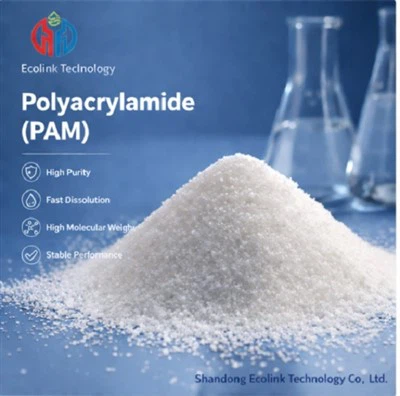
Starting Materials
Let’s kick things off with the starting materials. Nonionic polyacrylamide mainly begins with acrylamide monomer. Acrylamide is a white, odorless, crystalline solid. It’s super important because it serves as the building block for the polymer.
We source our acrylamide from high – quality suppliers. The purity of acrylamide significantly impacts the final product quality. If the acrylamide has impurities, it can lead to inconsistent polymerization and affect the properties of the nonionic polyacrylamide.
Polymerization Process
Now, the core of it all: the polymerization process. We use a free – radical polymerization method to turn acrylamide monomers into nonionic polyacrylamide.
First, we need to create a suitable reaction environment. We dissolve the acrylamide monomer in water. Why water? Well, it’s a great solvent for acrylamide, and it also helps in controlling the reaction temperature and viscosity.
Next, we add an initiator. Initiators are compounds that can generate free radicals. There are different types of initiators we can use, like potassium persulfate or ammonium persulfate. These initiators break down when heated or under certain conditions, creating free radicals.
The free radicals then react with the acrylamide monomers. They attack the double bond in the acrylamide molecule, starting a chain reaction. One by one, the acrylamide monomers link together to form long polymer chains. This is like connecting a bunch of small Lego pieces to make a long structure.
The polymerization reaction is exothermic, which means it releases heat. We have to carefully control the temperature during the reaction. If the temperature gets too high, the polymerization can go too fast, and we might end up with a product that has an uneven molecular weight. On the other hand, if the temperature is too low, the reaction might be too slow, which is a waste of time and energy.
We also add some chain – transfer agents. These agents help control the length of the polymer chains. By adjusting the amount of chain – transfer agents, we can get nonionic polyacrylamide with different molecular weights. Different applications require different molecular weights, so this control is crucial.
Post – Polymerization Treatment
Once the polymerization is done, we’re not quite finished. The product needs some post – polymerization treatment.
First, we need to neutralize the reaction mixture if it’s acidic or basic. This is important because it can affect the stability and performance of the nonionic polyacrylamide. We use appropriate chemicals to adjust the pH to the right level.
Then, we have to remove any unreacted monomers. Unreacted acrylamide is toxic, so we can’t have it in our final product. There are several methods to do this, such as distillation or extraction. We choose the most suitable method based on the scale of production and the properties of the reaction mixture.
After that, we often dry the product. We can use different drying techniques, like spray – drying or drum – drying. Spray – drying is really fast and can produce a fine powder. Drum – drying, on the other hand, can give a more flaky product. The choice of drying method depends on the customer’s requirements for the product form.
Quality Control
Throughout the production process, quality control is a top priority. We take samples at different stages to analyze the product’s properties.
We measure the molecular weight of the nonionic polyacrylamide. This is important because the molecular weight affects its performance in different applications. For example, in water treatment, a higher – molecular – weight nonionic polyacrylamide might be better at flocculating suspended particles.
We also test the solubility of the product. Nonionic polyacrylamide should dissolve easily in water. If it doesn’t, it won’t work well in applications like oilfield drilling or paper – making.
Other properties we check include the viscosity and the degree of hydrolysis. These properties can vary depending on the production conditions, and they need to be within a certain range to meet the customer’s expectations.
Applications
Nonionic polyacrylamide has a wide range of applications. In water treatment, it can be used to remove suspended solids, organic matter, and heavy metal ions. It helps in the flocculation and sedimentation processes, making the water clearer and cleaner.
In the oil and gas industry, nonionic polyacrylamide is used in drilling fluids. It can increase the viscosity of the drilling fluid, which helps in carrying the drill cuttings out of the wellbore. It also reduces friction between the drill bit and the formation, improving the efficiency of the drilling process.
In the paper – making industry, nonionic polyacrylamide is used as a retention aid and a drainage aid. It helps in retaining the fine fibers and fillers in the paper, improving the paper’s strength and quality. It also speeds up the water – draining process during paper formation.
Conclusion

So, that’s a basic overview of how nonionic polyacrylamide is produced. It involves a series of carefully controlled steps, from choosing the right starting materials to the final quality control.
Drinking Grade Polyaluminium Chloride If you’re in the market for nonionic polyacrylamide for your water treatment, oilfield operation, paper – making, or any other application, I’d love to have a chat with you. Whether you need a small sample to test or a large – scale supply, I can provide high – quality nonionic polyacrylamide that meets your specific requirements. Just reach out, and we can start discussing your needs and how we can work together.
References
- "Polymer Science: A Comprehensive Reference"
- "Handbook of Water and Wastewater Treatment Plant Operations"
- "Oilfield Chemicals: Chemistry and Technology"
Shandong Ecolink Technology Co., Ltd.
Shandong Ecolink Technology Co., Ltd. is one of the most reliable nonionic polyacrylamide manufacturers and suppliers in China. We warmly welcome you to wholesale bulk high quality nonionic polyacrylamide from our factory. If you have any enquiry about cooperation, please feel free to email us.
Address: No. 8, Xiaying Chemical Industry Park, Aobu Road, Xiaying Town, Changyi City, Weifang City, Shandong Province,China
E-mail: sale02@ecolink-environment.com
WebSite: https://www.ecolink-environment.com/
