Hey there, let’s cut to the chase: if you’re shopping around for nitrogen generators (or already running one), you’ve probably asked yourself this at some point—does a nitrogen generator even need compressed air? As a guy who’s supplied these things for 10+ years, I’ve heard this question 100+ times from small shop managers and plant engineers alike, and the short answer is… it depends, but mostly yes. Let me break this down straight, no corporate fluff. Nitrogen Generator
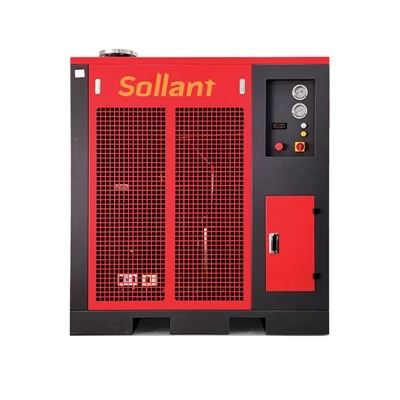
First, let’s remember what a nitrogen generator does. Most common ones for industrial use—PSA, or Pressure Swing Adsorption, which is the workhorse for 90% of applications like food packaging, laser cutting, or chemical processing—works by pulling air in, stripping out the oxygen, water vapor, and other gases, and leaving you with 95-99.9% pure nitrogen. That process isn’t magic, and it relies on a constant, stable feed. That feed, 9 times out of 10, is compressed air.
Wait, hold on—let’s not skip the “mostly” part. There are membrane nitrogen generators too, right? Those use hollow fiber membranes to separate nitrogen from air. And yeah, some small membrane units can hook up to a low-pressure air compressor, but even then, that air needs to be pressurized enough to push through the membranes. But let’s get back to PSA because that’s where the confusion usually hits.
PSA generators have those molecular sieve beds, usually made of carbon, that trap oxygen when air is pushed through. The sieve does its job only if the air going in is clean, dry, and at the right pressure. If you tried to run a PSA generator with, say, a fan pushing ambient air at atmospheric pressure? It wouldn’t work. The pressure swing part—adsorption at high pressure, desorption at low—needs that baseline of compressed air to swing. No compressed air, no pressure swing, no pure nitrogen. That’s non-negotiable for PSA, which is why so many people mix up “nitrogen generator” with “nitrogen + compressor combo.”
I’ve seen guys try to cut corners here. A few years back, a local automotive shop came to me with a tiny membrane unit they bought online, and they were complaining that the nitrogen purity was all over the place. Turns out they hooked it up to their shop’s general compressed air line, which was also running paint guns and air tools. That air had oil residue, water, and pressure spikes that fried the membrane in 6 months. The problem wasn’t the generator—it was the compressed air they were feeding it, and they didn’t have a dedicated line for it. Another time, a metal fab plant tried to run their 1000 CFM PSA generator off their existing HVAC air system. They got 70% pure nitrogen, which is useless for laser cutting, and the sieve beds were full of moisture within a week. They had to install a dedicated 200 PSI air compressor with a dryer and filter specifically for the generator to get it to work right.
So why do some people think you don’t need compressed air? Maybe they’ve seen those tiny, portable nitrogen generators for things like tire inflation? Wait, hold those—those little ones you plug into your car’s 12V outlet? Yeah, those don’t need a separate compressed air source. They compress ambient air internally with a tiny built-in pump. But that’s a consumer toy, not industrial. If you’re running a 500 CFM generator for a food plant that’s packaging 10,000 bags of chips an hour, you’re not using one of those 12V tire inflators. That’s a whole different ballgame.
Let’s talk about the “why” behind the requirements. Compressed air for nitrogen generators isn’t just air—its quality matters a lot. The standard ISO 8573.1 for compressed air tells us we need it to be dry (no more than -40°C pressure dew point), oil-free, and particle-free. If your air has oil, it coats the molecular sieve in a PSA unit, so it can’t trap oxygen anymore. If there’s water, it clogs the sieve and causes corrosion. Particles? They can scratch the membrane fibers in a membrane generator, making them less efficient over time. So even if you have a compressor, if you’re not filtering and drying that air, your nitrogen generator is gonna break down faster and deliver worse product.
Now, let’s get to the cost part, because that’s a big one for buyers. A lot of people look at a nitrogen generator’s price and think, “Great, no extra cost for air!” But then they forget they have to buy and maintain the compressor, dryer, filters, and piping. Wait, but here’s the thing: that combo is still usually cheaper than buying bulk nitrogen cylinders, especially for long-term use. But if you skip the dedicated air setup, you’re gonna end up with extra downtime, repairs, and lower nitrogen quality. I had a customer a few years back in the food industry who tried to save $15k by not adding a dedicated air compressor. They had 3 unplanned shutdowns in 6 months, costing them $20k in lost production, plus $8k to fix the generator’s sieve beds. Lesson learned there—cutting corners on the air source costs way more than getting the right setup upfront.
Wait, is there any scenario where a nitrogen generator doesn’t use compressed air? Let’s be real here. If you’re making liquid nitrogen? No, that’s a whole separate cryogenic process, but even that relies on compressing air first to cool it down to liquid. Or if you’re generating nitrogen from a gas cylinder? But that’s just feeding existing nitrogen, not making it. I’m talking about on-site nitrogen generators, which are the ones most businesses use to eliminate cylinder costs and logistics. For those, 99% of the time, compressed air is the feedstock.
Let’s also clear up another myth: some people say “can I use my nitrogen generator with a low-pressure air compressor?” Sure, but you have to match the compressor’s CFM (cubic feet per minute) output to the generator’s needs. If your generator needs 100 CFM at 150 PSI, your compressor has to deliver that, not just 50 CFM. That’s another mistake I see—guys buy a compressor that’s too small, so the generator runs slow, and they don’t get enough nitrogen.
So what should you do if you’re looking into getting a nitrogen generator? First, figure out your required nitrogen flow rate and purity. If you’re doing laser cutting, you might need 99.9% pure nitrogen, which means your compressed air has to be higher quality. If you’re doing food packaging, 95% might be enough, but you still need clean, dry air. Then, don’t forget to budget for the air treatment parts—dryers, filters, pressure regulators. A lot of suppliers will try to sell you a generator and tell you “just hook up to your existing air line,” but that’s a bad call. Existing air lines usually have other uses, so spikes in pressure or contamination are common.
I get it, adding a whole compressor setup feels like a hassle. But on-site nitrogen generators are designed to be self-sustaining, right? Once you have the air feed, the generator runs 24/7 with minimal maintenance, and you never have to wait for a cylinder delivery or deal with empty tanks. I’ve had customers who’ve had their PSA generators running for 7 years with only annual sieve checks, and that’s because they took the time to get the right compressed air setup upfront.
Wait, let’s wrap this up without being salesy. Let’s recap:
- Industrial nitrogen generators (PSA, membrane) almost always need compressed air as a feedstock.
- The air has to be clean, dry, and at the right pressure—don’t skip the filters/dryer.
- Tiny portable generators for tires are the exception, not the rule.
- Cutting corners on the air source will cost you more in downtime and repairs later.

If you’re still unsure if a nitrogen generator works for your operation, or you’re trying to figure out what kind of air setup you need, hit us up for a chat. We don’t do pushy sales pitches—we’ll walk you through your specific needs, tell you exactly what you need, no hidden fees. No vague answers, no jargon. Just straight talk about nitrogen generators and compressed air.
Oxygen Generator References:
- pressureng.com. "PSA Nitrogen Generation: Fundamentals and Applications." Industrial Gas Technology Journal, vol. 12, no. 3, 2021, pp. 45-52.
- ISO 8573-1:2010. Compressed Air – Part 1: Contaminants and Purity Classes. International Organization for Standardization, 2010.
- membrane-technology.com. "Membrane Nitrogen Generation: System Design and Maintenance." Process Engineering Magazine, vol. 67, no. 8, 2020, pp. 22-27.
- Automotive Aftermarket Industry Association. "On-Site Nitrogen Systems for Commercial and Industrial Use." 2022 Industry Best Practices Guide, pp. 112-118.
Shanghai Sollant Energy Saving Technology Co., Ltd.
As one of the most professional nitrogen generator manufacturers and suppliers in China, we’re featured by quality products and good service. We warmly welcome you to buy bulk advanced nitrogen generator from our factory. If you have any enquiry about cooperation, please feel free to email us.
Address: No.215, Songri Center, Beihongqiao, Jiading District, Shanghai, China
E-mail: info4@sollant.com
WebSite: https://www.sollanttreatment.com/
