As the owner of a company that specializes in designing, manufacturing, and installing explosion proof walls, I get asked this question at least once a week: “Can explosion proof walls be used in residential areas?” It’s a fair question—most people associate blast-resistant construction with industrial plants, chemical facilities, or military bases, not places where kids do homework, families gather for dinner, or retirees tend to their gardens. For years, I’ve spent time explaining the difference between industrial-grade explosion proof systems and the smaller, purpose-built walls we make for homes, and why they’re not just a niche product but a viable, even critical, solution for certain residential properties. Let me break this down honestly, from what we’ve learned working on hundreds of residential projects across the country. Explosion Proof Wall

First, let’s clear up a common misconception. When most people hear “explosion proof,” they picture thick, concrete-encased steel walls that look like they belong in a government bunker—ugly, costly, and totally out of place in a suburban home. That’s the industrial model, and for good reason: industrial explosion proof walls are built to contain large-scale blasts from volatile materials, like propane tanks rupturing in a manufacturing yard or chemical spills igniting in a refinery. Those projects require extreme thickness (sometimes 18 inches or more) and specialized reinforcement to withstand overpressures of 100+ psi, far beyond what a residential space would ever face. But residential explosion proof walls aren’t scaled-down industrial systems. They’re engineered for the unique explosion risks that exist in neighborhoods, rural homes, and even urban residential areas, and they’re designed to blend seamlessly with standard home construction.
Over the past decade, we’ve seen a sharp rise in residential explosion incidents that never made national headlines, but make homeowners nervous. Think about it: a home propane tank (used for heating, cooking, and backup generators) can leak and ignite, creating a blast with overpressures of 5 to 15 psi—enough to blow out windows, collapse garage doors, or even shift the foundation of a nearby home. Natural gas lines, which run to 60% of U.S. homes, can rupture due to construction work, tree roots, or aging pipes, leading to blasts that can reach 10 psi. Even larger, rare-but-deadly risks, like a meteor strike, a nearby industrial explosion that travels through residential zones, or a vehicle crash into a home’s garage, are events homeowners rarely plan for. For properties in rural areas where propane tanks are often stored close to living spaces, or in neighborhoods with frequent construction projects that can damage gas lines, a standard wall isn’t enough. That’s where our residential explosion proof walls come in.
We build our residential systems to handle 15 psi of overpressure, which is the threshold that protects a home’s structural integrity, keeps occupants safe, and prevents secondary explosions from household items like water heaters, furnaces, or gas appliances. Unlike industrial walls, our residential units are only 8 to 12 inches thick, use lightweight, fire-resistant composite materials that are as strong as steel but far easier to work with, and are finished with drywall, wood paneling, or brick veneer so they look identical to a standard interior or exterior wall. Last year, we installed a system for a family in rural Ohio whose propane tank is located 20 feet from their living room; the wall runs between the tank and the main home, finished with shiplap that matches the rest of their cottage. They told us it looked like it had always been there—no bulky metal, no harsh textures, just a wall that gives them peace of mind.
But here’s the truth: explosion proof walls aren’t for every residential home. We spend a lot of time with homeowners explaining that if you live in a dense suburban neighborhood where gas lines are regularly inspected and propane tanks are located at the required setbacks from homes, this product might not be necessary. We recommend it only for properties with specific, identifiable explosion risks. Let’s outline the scenarios where it makes sense: rural properties with above-ground propane tanks (the most common residential explosion trigger) within 25 feet of living spaces; homes in areas with high rates of gas line damage (like older urban neighborhoods where construction projects are frequent); homes with attached garages that store gasoline-powered vehicles (especially larger vehicles like RVs or boat trailers that can leak fuel); and properties within 1 mile of industrial facilities (like refineries, chemical plants, or grain elevators) where a secondary blast could travel to residential areas.
We’ve also learned that the biggest mistake homeowners make when considering residential explosion proof walls is thinking they’re too expensive. A full industrial explosion proof wall can cost $10,000 to $20,000 per linear foot, which is out of reach for most residential projects. Our residential systems, by contrast, cost $200 to $500 per linear foot, depending on the size, finish, and location of the wall. That’s comparable to adding a custom built-in bookshelf or a high-end interior wall, which makes it a viable investment for many homeowners. Last year, a family in Texas who lived 0.8 miles from a small chemical plant spent $12,000 on a wall that runs between the plant’s property line and their rear living area. We checked in with them recently; last spring, a small chemical leak ignited, and local emergency responders told them the blast would have shattered their windows and damaged their roof without the wall. Instead, they reported only minor shelf tipping inside, and no structural damage. That’s the return on investment we care about.
Of course, there are important caveats to consider. First, explosion proof walls aren’t a standalone solution. They work best as part of a comprehensive residential safety plan that includes regular inspections of gas lines and propane tanks, proper ventilation for fuel storage areas, and installing carbon monoxide and gas detectors in living spaces. A wall can contain a blast and prevent it from spreading, but it won’t stop a leak from igniting in the first place—so we always advise homeowners to pair our products with other safety measures. Second, these walls are not designed to protect against large-scale attacks (like a vehicle bomb) or extreme overpressures, which would require far more heavy-duty construction. They’re built for the risks that are actually present in residential settings, not the worst-case industrial scenarios.
Another point we often discuss is local building codes. Many homeowners don’t realize that most residential building codes don’t explicitly allow for explosion proof walls, which is why we work closely with architects, contractors, and municipal building departments to help homeowners navigate the approval process. We provide custom engineering documents that show the wall meets national standards for residential blast resistance, and we’ve helped dozens of projects get approved in cities across the country, from rural small towns to major metro areas. Last year, we worked with a contractor in Chicago who was building a custom home near a busy industrial corridor; they needed to install a wall between the home’s garage and the living space to protect against gas line leaks from the adjacent street. We provided the engineering reports, helped the contractor submit the plans to the city, and the project was approved in less than two weeks.
I also want to address a common criticism: some people say that spending money on explosion proof walls for a home is a waste, because residential explosions are so rare. It’s true that a catastrophic residential explosion happens in the U.S. roughly 1,000 times a year, according to data from the National Fire Protection Association. But when you look at those incidents, 90% are preventable, and many could have been mitigated with a simple, properly installed wall. For the family in Ohio, it was worth it to avoid the risk of a fire that could destroy their home and harm their kids. For the family in Texas, it was worth it to protect their investment in a home near a facility that has a history of small leaks. We’ve had homeowners tell us they sleep better at night knowing that even if something goes wrong with their propane tank, their family is safe. That’s the value we see every day.
Over the years, we’ve also made adjustments to our residential products based on feedback from homeowners and contractors. A few years ago, a builder told us that their clients hated how industrial explosion proof walls limited window and door placements. So we redesigned our residential walls to be modular, meaning we can cut out sections for windows and doors without compromising the wall’s blast resistance. Now, we can install a wall around a home’s exterior that has a 3-foot window for a home office, or a 7-foot door that leads to a patio, and the wall still meets all of our safety standards. We also added fire-resistant coatings to our walls, so they not only protect against blasts but also slow the spread of fire, which is an added benefit for homeowners.
So, back to the original question: Can explosion proof walls be used in residential areas? The short answer is yes, but only for the right properties, and only when designed specifically for residential risks. They’re not a status symbol or a bunker for doomsday preppers; they’re a practical safety solution for homes that face identifiable, avoidable explosion risks. For most suburban homeowners with standard setbacks and inspected gas lines, they’re not necessary. But for rural homeowners with propane tanks, urban homeowners near industrial sites, and anyone who wants an extra layer of safety for their family, they’re a worthwhile investment.
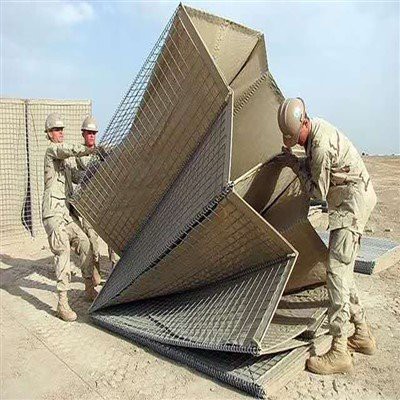
If you’re a homeowner, contractor, or architect considering an explosion proof wall for a residential property, we encourage you to reach out to our team. We don’t push products that aren’t right for a project—if we look at your property and decide our walls won’t provide meaningful benefit, we’ll tell you that, and help you find other safety solutions that make sense. When the time is right, we can provide custom designs, engineering documents, and installation support to make sure your wall blends seamlessly with your home and meets all local building codes.
Slope Netting References
- National Fire Protection Association. (2022). Home Structure Fires with Explosions: 2016–2020 Data Overview. Quincy, MA: NFPA.
- U.S. Consumer Product Safety Commission. (2021). Residential Propane Tank Safety Guidelines and Incident Report Database. Washington, D.C.: CPSC.
- International Code Council. (2020). Residential Blast-Resistant Construction Supplement. Washington, D.C.: ICC.
- Occupational Safety and Health Administration. (2022). Industrial Explosion Risks in Residential Proximity: Hazard Assessment Framework. Washington, D.C.: OSHA.
- Explosion Proof Wall Manufacturers Association. (2023). Residential Blast-Resistant Construction Best Practices. Arlington, VA: EPWA.
Hebei Xinjuyuan Protective Net Engineering Co., Ltd.
Hebei Xinjuyuan Protective Net Engineering Co., Ltd. is one of the most professional explosion proof wall manufacturers and suppliers in China, featured by quality products and good price. Please rest assured to buy cost-efficient explosion proof wall for sale here from our factory.
Address: Anping, Hengshui City, Hebei Province
E-mail: hebeixinjuyuan@163.com
WebSite: https://www.xjygabion.com/
