If you’re reading this, chances are you rely on membrane filtration equipment—whether you’re a plant manager in pharmaceuticals, a food and beverage operator, or a wastewater treatment specialist. I’ve spent the last 12 years working with membrane filtration equipment, first as a field technician troubleshooting failing systems, and now as a supplier who’s walked alongside hundreds of clients as they’ve fought to keep their membranes performing at peak. The number one complaint I hear, hands down, is premature membrane degradation. A membrane that’s supposed to last 3–5 years dying in 18 months isn’t just an inconvenience—it’s a huge hit to operational costs, not to mention production delays. Over the years, I’ve seen what works, what’s just wasted effort, and the small, consistent choices that add up to years of extra life for your membranes. Let’s break this down like we’re chatting over a coffee in your plant’s break room, not a textbook. Membrane Filtration Equipment
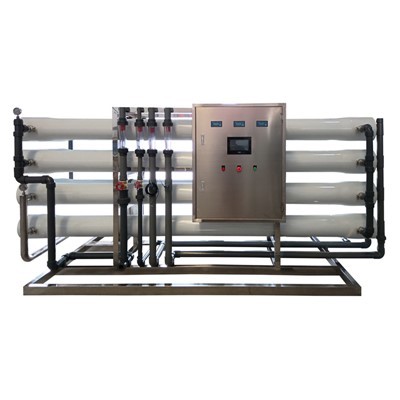
First, let’s get one thing straight: membrane degradation isn’t one-size-fits-all. There are four main types of degradation that take down membranes, and each needs its own fix. You’ve got chemical degradation from harsh cleaning agents, mechanical degradation from things like pressure spikes or debris hitting the membrane surface, biological degradation from bacteria and biofilm building up, and fouling that turns into permanent degradation if left untended. Let’s start with the basics that catch almost everyone off guard: pre-filtration. Too many plants skip a proper pre-treatment step, sending raw water straight to the main membrane unit without straining out debris like grit, sand, or large organic particles. I had a client in the agricultural sector last year—they were filtering runoff for fertilizer processing—who kept having their ultrafiltration (UF) membranes tear within a year. When our techs did a walkthrough, we found their pre-filter was clogged so bad it was barely doing its job. Every time the system cycled, loose gravel and silt would hit the membrane surface at high speed, abrading the polymer layer until tiny holes formed. We installed a new 50-micron pre-filter and added a cartridge filter upgrade, and that client’s membranes are now still working great 3 years later. Pre-filtration isn’t an add-on—it’s the first line of defense against mechanical degradation. Get the right micron rating for your raw water, and change those pre-filters on schedule, not when they’re visibly dirty.
Next up: chemical compatibility, and this is where I’ve seen even experienced plant managers make costly mistakes. A lot of facilities use harsh cleaning chemicals to get rid of heavy fouling, like strong chlorine or high concentrations of lye, without checking if it’s safe for their specific membrane material. Polyamide thin-film composite (TFC) membranes, which are the most common in reverse osmosis (RO) and UF systems, don’t play well with chlorine. Even small doses (like 0.1 ppm) over multiple cleaning cycles can break down the polyamide layer, making it brittle and reducing its filtration capacity. I had a pharmaceutical client who was using chlorine to clean their RO membranes, because it worked fast to kill bacteria, not realizing it was eating through the membrane every time they ran a cycle. We switched them to a non-oxidizing biocide, and adjusted their cleaning protocol to use citric acid and mild alkaline solutions for mineral scaling. The difference was night and day—their membrane lifespan jumped from 2 years to over 4. Chemical testing is non-negotiable here. When you choose a cleaning agent, check the membrane manufacturer’s data sheet (I always tell clients to keep a physical copy in the control room, not just buried in an email folder) to confirm pH limits, allowed chemicals, and exposure times. Never mix chemicals, by the way—even something as simple as combining acid and bleach can create toxic fumes and permanent membrane damage that’s irreversible.
Mechanical degradation is another big one, and it’s often tied to system operation, not just the membrane itself. Pressure spikes are the silent killer here. When a system starts or stops abruptly, or when valves are opened too fast, the pressure surges through the membrane modules, stretching and compressing the polymer until it delaminates— that’s when the active layer separates from the support layer. I saw this happen at a municipal wastewater treatment plant a few years back. Their operators would shut down the RO system at the end of each shift by slamming the main valve, and within 6 months, 30% of their membrane modules were delaminated. The fix was simple: adjust the start-up and shut-down sequences to ramp pressure slowly over 10–15 minutes, and install pressure relief valves set to a safe maximum for their system. We also added a flow regulator to prevent sudden changes in flow rate, which also helps with mechanical stress. Another mechanical culprit is temperature extremes. Most membranes are rated for a specific temperature range—usually 5–45°C. If you’re running water that’s too hot, the polymer expands faster than the support layer, causing cracking; too cold, and the water viscosity changes, leading to uneven flow and increased pressure on the membrane surface. I always recommend checking the water temperature daily, and adjusting system flow rates or adding heat exchangers if needed to stay within the manufacturer’s specs. It’s a small check, but it prevents a lot of unnecessary stress on your membranes.
Biological degradation is the one that’s sneaky because it starts slow. Biofilm—thin layers of bacteria, algae, and extracellular polymers—builds up on the membrane surface, and over time, it can etch into the membrane material, especially if the biofilm becomes anaerobic (low oxygen) and releases corrosive byproducts. The key here isn’t just adding biocide, it’s consistent, targeted cleaning. A lot of plants do only reactive cleaning—wait until the membrane’s flux (the amount of water it can process) drops by 20%, then run a heavy clean. By that point, the biofilm has already turned into something that’s hard to remove, and it’s starting to degrade the membrane. Instead, follow a scheduled cleaning routine: for UF systems, a backwash every 15–30 minutes, and a chemical clean every 1–3 months, depending on your raw water. For RO systems, a chemical clean every 2–6 months. I also recommend adding a low-dose biocide as part of the feedwater, not just during cleaning. It keeps bacteria from colonizing in the first place. That same agricultural client I mentioned earlier, after fixing their pre-filters, was still dealing with biofouling until we added a continuous low-level bromine feeder (safe for their TFC membranes) that kept bacterial counts low without harming the membrane.
Wait, let’s talk about monitoring, because this is what ties all these steps together. You can have the best pre-filters, cleaning protocols, and pressure settings, but if you’re not tracking the right data, you’ll miss issues until they’re irreversible. What should you monitor daily? Flux rate, pressure drop across the membrane module, feedwater and permeate quality (turbidity, conductivity), and cleaning cycle frequency. I tell all my clients to set up alerts for when flux drops 10% below baseline, or pressure rises 15% above normal. That early warning lets you act before small fouling turns into degradation. A food and beverage client of mine was monitoring flux, and noticed a 12% drop over two weeks. They ran a gentle citric acid clean, and it fixed the issue—if they’d waited another month, that fouling would have turned into permanent scaling that damaged the membrane. Monitoring doesn’t have to be expensive either. Most modern systems come with basic sensors, and if yours doesn’t, we offer affordable retrofits for small to medium operations.
Let’s also address common mistakes that people think work, but actually hurt membranes. For example, over-cleaning. I’ve seen plants run chemical cleans every week, because they think more is better. But too much exposure to cleaning chemicals, even mild ones, can break down the membrane’s polymer over time, making it less durable. Follow the manufacturer’s recommended cleaning frequency, and adjust it only if you see specific fouling issues, not as a preventive measure. Another mistake is not flushing the system after cleaning. Residual cleaning chemicals left on the membrane surface can react with feedwater and cause degradation, especially if they’re acidic or alkaline. Always do a post-clean flush with permeate or clean water until the pH and conductivity of the effluent match the feedwater, to make sure no cleaner is left behind.
Now, let’s get real about cost. I know upgrading pre-filters, adjusting cleaning protocols, and adding sensors might feel like an extra expense upfront. But let’s do the math: a set of 8 RO membrane modules for a medium-sized plant costs around $15,000, and they last 3 years on average. If you follow the right steps, you can extend that to 5 years, which saves $6,000 every 3 years. Multiply that by the number of membrane sets you have, and that’s a huge chunk of change that can go back into your operations, not replacing dead membranes. Plus, unplanned downtime from membrane failure can cost thousands per hour—last year, a manufacturing client of ours lost $40,000 in a single day when their membrane module failed and shut down their production line. That’s way more than the cost of preventive maintenance.
At the end of the day, preventing membrane degradation isn’t about using fancy, expensive products. It’s about consistency, paying attention to the details, and working with a supplier that actually understands your specific application. I’ve spent 12 years in this field, and I’ve seen that the clients who take 10 minutes a day to check their system data, follow the cleaning schedule, and invest in proper pre-filtration, get the longest membrane life and the lowest operational costs. The ones who cut corners? They’re the ones calling me every six months asking why their membranes are dying early.
If you’re dealing with membranes that are failing faster than they should, or if you want to build a preventive maintenance plan tailored to your specific system and application, we can help. We work with clients across industries, from small food and beverage operations to large municipal wastewater plants, and our team can do a full system audit, recommend adjustments to your protocols, and supply the parts and services you need to keep your membranes running for years. Reach out to us to schedule a consultation, and let’s get your membrane system performing at its best.
SWRO & BWRO Equipment References
- Baker, R.W. Membrane Technology and Applications. 3rd ed., Wiley, 2012.
- Childress, A.E., and Elimelech, M. “Chemical Cleaning of Reverse Osmosis and Nanofiltration Membranes: A Review.” Journal of Membrane Science, vol. 120, no. 1, 1996, pp. 1–9.
- Madaeni, S.S. “The Effect of Mechanical Stress on Membrane Performance.” Desalination, vol. 113, no. 2–3, 1997, pp. 217–225.
- Ng, H.Y., and Tan, T.W. “Biological Degradation of Membranes: Mechanisms and Mitigation Strategies.” Journal of Membrane Science, vol. 321, no. 1, 2008, pp. 42–50.
- Wang, L.K., et al. Membrane Filtration in Water and Wastewater Treatment. CRC Press, 2008.
Shandong Yanuo Environmental Protection Equipment Co., Ltd.
We’re well-known as one of the leading membrane filtration equipment manufacturers and suppliers in China, featured by quality products and good price. Please rest assured to buy bulk membrane filtration equipment made in China here from our factory. Customized orders are welcome.
Address: North Side of the Road, 1,000 Meters West of the Intersection of Fenghuangshan West Road and Provincial Highway S102, Wangfu Subdistrict, Qingzhou City, Weifang City, Shandong Province.
E-mail: ynhb.499973983@gmail.com
WebSite: https://www.zkyaruo.com/
