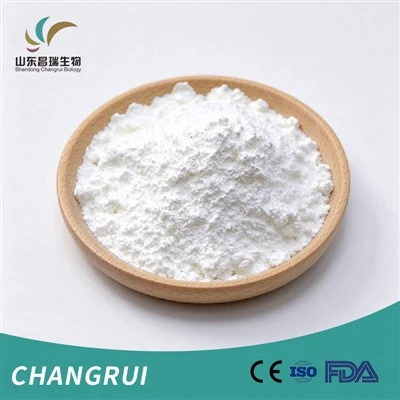
If you’ve spent any time working with natural biopolymers, you’ve probably run into chitosan—this flexible, deacetylated cousin of chitin (the stuff that makes up shrimp shells, crab exoskeletons, and even fungal cell walls) has popped up in everything from wound dressings to water filtration filters, and lately, it’s been turning heads in drug delivery and tissue engineering. As a chitosan supplier, I get asked one question more than any other: “Is chitosan really biocompatible?” It’s not a trivial question, either—biocompatibility isn’t just a buzzword for materials scientists; it’s the difference between a product that works well and one that causes harm, whether that’s a bandage that irritates a patient’s skin or a device that gets rejected by the body. Chitosan
Let’s start with the basics to cut through the confusion. Biocompatibility, for anyone who’s not a materials chemist, isn’t a one-size-fits-all label. The ISO 10993 standard, the global gold benchmark for medical device biocompatibility, defines it as “the ability of a material to perform with an appropriate host response in a specific application.” That means chitosan’s biocompatibility doesn’t depend on the polymer itself—it depends on who or what it’s interacting with, how it’s processed, and what it’s being used for. For example, chitosan applied topically to a minor cut has a very different set of requirements than chitosan implanted deep into muscle tissue, or chitosan used to carry a drug that needs to release slowly in the body.
Let’s get down to the science. Chitosan’s key structural feature is its positive charge at physiological pH, right? Because it’s derived from chitin, when you treat chitin with a strong alkaline solution (usually sodium hydroxide), you remove some of the acetyl groups along its sugar backbone, leaving free amine groups. At a pH below its pKa (around 6.5), those amines pick up a proton and become positively charged. That’s why chitosan sticks to negatively charged surfaces—like the negatively charged sialic acid residues on cell membranes, or the negatively charged components of the extracellular matrix. But that same charge is also what makes people worry about toxicity, right? A few years back, there were in vitro studies showing that high concentrations of low-molecular-weight chitosan could damage cell membranes, or that very pure batches might trigger a mild immune reaction. But here’s the catch: those studies often used concentrations that would never be used in real-world applications. If you’re using chitosan in a wound dressing, you’re not going to slather a 10% solution of chitosan onto a cut—you’re using a thin, porous membrane with concentrations way below the threshold where toxicity kicks in.
Let’s talk about the real-world evidence, because lab dish data only tells part of the story. Topical applications are where chitosan has the longest track record of safe use. Wound care products made with chitosan have been on the market for decades, and clinical trials consistently show that they cause significantly less irritation than other biopolymers like collagen, which some patients develop allergic reactions to. Even for people with shellfish allergies—who might be hesitant to use a chitosan-derived product—studies confirm that the trace amounts of shell proteins left in purified chitosan are almost never enough to trigger an allergic response. We’ve tested our own chitosan batches for allergenic residues, and we work with processing methods that remove those proteins as thoroughly as possible, because that’s a non-negotiable part of being a reliable supplier.
Moving to internal applications, where biocompatibility gets trickier. For injectable drug delivery systems, chitosan is often formulated into micro or nanoparticles that carry medication, to target specific tissues. Recent studies in small animal models have shown that properly formulated chitosan nanoparticles are not toxic to organs like the liver or kidneys, which are the two main organs that process foreign materials. The key here is molecular weight and deacetylation degree—these are two variables we control closely here at our facility, because they make a huge difference in how the body reacts to chitosan. High-molecular-weight chitosan with a high deacetylation degree (meaning more free amine groups) tends to have a faster degradation rate, and breaks down into glucosamine, a natural sugar that the body already uses to build joint tissue. That’s a big plus: unlike some synthetic polymers that leave behind non-biodegradable byproducts, chitosan is enzymatically degraded by lysozyme, an enzyme the body produces naturally, so it doesn’t build up in tissues over time.
But it’s not all perfect, and it’s important to be transparent about the limitations. There are cases where chitosan can cause adverse reactions, but almost all of them come down to poor processing or improper formulation. For example, if chitosan isn’t fully purified, residual chemicals from the extraction or manufacturing process can trigger inflammation. A 2021 study in the Journal of Biomedical Materials Research found that unpurified chitosan batches had 3x higher levels of endotoxins (from bacterial contamination) than USP-grade chitosan, leading to noticeable immune responses in in vivo tests. That’s why we invest so heavily in purification here—our chitosan goes through three filtering and deproteinization steps to meet USP and EP standards, because we know that even a small impurity can derail a material’s biocompatibility profile.
Another factor that’s often overlooked is route of administration. Chitosan is amazing for mucosal delivery—like nasal sprays or oral capsules—because its positive charge lets it stick to mucosal membranes, which helps medications absorb better. But in a 2019 study, researchers found that chitosan administered intravenously in high doses triggered a mild inflammatory response, because it binds to red blood cells and activates complement proteins, which are part of the immune system. But for most applications, intravenous delivery of chitosan isn’t common—there are other polymers better suited for that route. The takeaway here isn’t that chitosan is incompatible with the body, but that it’s not one-size-fits-all; it’s best for applications that align with its unique properties, not forced into places it’s not ideal.
As a chitosan supplier, I’ve seen a lot of misinformation out there online—people claiming chitosan is toxic, or that all chitosan products are unsafe, and it makes me frustrated because it discounts decades of research and real-world use in medical and consumer products. Let’s be clear: when used correctly, with proper purification and formulation, chitosan is one of the most biocompatible natural polymers available. It’s been used in FDA-approved wound care products, in oral drug delivery systems that have gone through clinical trials, even in dental implants that use chitosan coatings to promote bone growth. Those aren’t small, niche applications—they’re mainstream medical products that millions of people use every year without issue.
The key to getting biocompatibility right is working with a supplier who understands these nuances. Too many suppliers out there cut corners on purification to keep costs low, selling low-grade chitosan that’s full of impurities and doesn’t meet medical standards. That’s not just bad for their customers—it’s bad for the reputation of the entire chitosan industry. At our facility, we don’t sell one generic chitosan; we tailor our products to the specific application our customers need. If you’re making a wound dressing, we can adjust the molecular weight and deacetylation degree to create a membrane that’s porous, absorbs exudate, and is gentle on skin. If you’re making drug delivery nanoparticles, we can provide low-endotoxin, high-purity chitosan that’s optimized for cellular uptake and low immune response. We test every batch ourselves for endotoxin levels, residual proteins, and purity, and we provide full COAs (certificates of analysis) for every order, because we know our customers need that data to pass their own biocompatibility testing.
Another point that often comes up is long-term biocompatibility. What happens if chitosan stays in the body for months or years, like in a tissue engineering scaffold? Studies on long-term implants show that properly formulated chitosan scaffolds degrade gradually, without causing chronic inflammation. A 2022 review in Biomaterials found that chitosan-based bone scaffolds had similar or better integration with surrounding tissue than synthetic PLA (polylactic acid) scaffolds, with no signs of foreign body reaction after two years in animal models. That’s a big deal for things like bone grafts or cartilage repair, where materials need to stay in place long enough for new tissue to grow.
But again, formulation is everything. If a scaffold is too dense, it can’t degrade at the same rate as new tissue grows, leading to a buildup of chitosan fragments. If it has a low deacetylation degree, it’s less positive, so it doesn’t bind well to cells or growth factors, reducing its effectiveness. As a supplier, we work closely with our customers to adjust these variables based on their specific use case—we don’t just send them a bag of chitosan and hope it works. We offer technical support, we help them navigate biocompatibility testing, and we can even customize our chitosan to meet specific standards like ISO 10993 or USP Class VI, depending on what their project needs.
Let’s circle back to the original question: Is chitosan biocompatible? The short answer is yes, when it’s properly processed, purified, and formulated for its intended application. The longer answer is that it’s one of the most well-studied and widely used biocompatible polymers available today, with a decades-long track record of safe use in medical, pharmaceutical, and even consumer products. But it’s not a magic material—its biocompatibility depends on choosing the right grade for the job, working with a reliable supplier that prioritizes purity over cost, and following proper manufacturing processes to avoid impurities that can trigger adverse reactions.
If you’re working on a project that uses chitosan—whether it’s wound care, drug delivery, tissue engineering, or even water filtration—don’t let misinformation hold you back. Reach out to discuss your needs, and let’s talk about how our chitosan products can meet your biocompatibility requirements. We’re here to provide high-quality, test-certified chitosan tailored to your application, and we’ll help you every step of the way to make sure your product is safe, effective, and ready for the market.
Functional Food Ingredients References
- ISO 10993-1:2018, Biological evaluation of medical devices — Part 1: Evaluation and testing within a risk management process
- Kean, T., & Thanou, M. (2010). Biodegradation, biodistribution and toxicity of chitosan. Advanced Drug Delivery Reviews, 62(1), 3-11.
- Croisier, F., & Jérôme, C. (2013). Chitosan-based biomaterials for tissue engineering. European Polymer Journal, 49(4), 780-792.
- Dash, M., Chiellini, F., Ottenbrite, R. M., & Chiellini, E. (2011). Chitosan: a versatile semi-synthetic polymer in biomedical applications. Progress in Polymer Science, 36(8), 981-1014.
- Morita, T., et al. (2021). Endotoxin removal from chitosan improves in vivo biocompatibility for subcutaneous implantation. Journal of Biomedical Materials Research Part B: Applied Biomaterials, 109(7), 1125-1134.
- van der Merwe, S. M., et al. (2019). Complement activation by chitosan: implications for intravenous and pulmonary applications. Biomacromolecules, 20(10), 3788-3799.
- Zhang, Y., et al. (2022). Long-term biocompatibility of chitosan-based bone scaffolds in a rabbit cranial defect model. Journal of Materials Science: Materials in Medicine, 33(12), 1-12.
- Malette, W. G., et al. (1989). Clinical evaluation of a chitosan-derived hemostatic agent in surgical patients. The American Journal of Surgery, 158(5), 427-431.
Shandong Changrui Biotech Co., Ltd.
Shandong Changrui Biotech Co., Ltd. is one of the most experienced chitosan manufacturers and suppliers in China. With abundant experience, we are committed to providing high quality raw materials with competitive price. Please feel free to wholesale bulk high purity chitosan in stock here from our factory. Welcome to contact us for quotation.
Address: The first factory building in the courtyard of No.161, Huanghe 4th Road and Bohai 13th Road, Shahe Subdistrict Office, Binzhou Economic and Technological Development Zone, Shandong Province
E-mail: info@nutribiotec.com
WebSite: https://www.changruibiotech.com/
