As a diesel air compressor supplier, I’ve spent thousands of hours walking customers through maintenance routines that keep their units running reliably—because a clean compressor isn’t just a nice-to-have, it’s the backbone of consistent performance. I can’t tell you how many times I’ve fielded a call from a contractor or farm manager whose unit cut out mid-job, only to find out a simple cleaning was all it needed. Today, I’m breaking down exactly how to clean a diesel air compressor the right way, with steps tailored to the units we supply, no guesswork included. Diesel Air Compressor
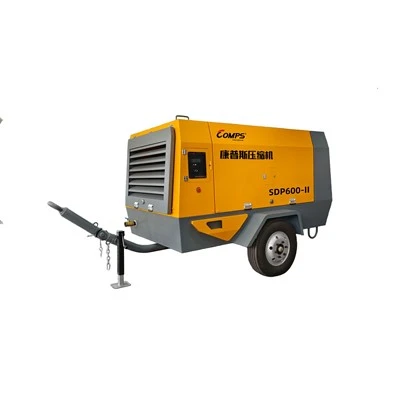
First, let’s get clear on why cleaning matters for diesel air compressors specifically. Unlike electric models, diesel units rely on two key systems that get clogged fast if neglected: the air intake (which feeds the engine and compressor pump) and the cooling fins (which prevent overheating from the diesel engine and compressed air load). If dirt, dust, or oil builds up on these parts, you’ll see reduced air output, higher fuel consumption, and even premature pump failure—costing you hundreds in repairs. Over the 12 years I’ve been in the compressor business, I’ve learned that the best cleanings are proactive, not reactive: schedule a full deep clean every 500 operating hours, or every 3 months for units running 8+ hours a day. For light-duty use (like weekend farm jobs), a quick check before each use and a full clean every 6 months works.
Now, let’s get to the prep work—this is where most people skip a step and end up making a mess. First, shut off the compressor completely and disconnect the diesel fuel line and battery. Never clean a hot unit; let it cool for at least 2 hours after turning it off—scalding coolant or hot oil can cause serious burns. Next, gather your tools: a soft-bristle nylon brush (no metal brushes, which scratch aluminum fins and pump components), a low-pressure air compressor (for blowing out dust, not blasting), a mild, non-corrosive degreaser (we recommend the same degreasers we stock for our customers, formulated for diesel compressor systems), a bucket of warm water, lint-free microfiber cloths, and rubber gloves and safety goggles. Skip pressure washers, no matter how tempting they are—high pressure can force water into electrical connections, damage seals, and warp delicate compressor parts. I’ve seen customers ruin perfectly good pumps by using a power washer, so this is a rule I never bend.
Let’s start with the external casing and cooling system, since this is the most visible and impactful part of the clean. First, remove the side panels of the compressor—most of our units use quick-release latches, no tools needed, but keep track of any small bolts or clips so you don’t lose them. Locate the engine cooling fins and the compressor pump cooling fins; these are thin, parallel aluminum sheets that line the sides of the unit. Use your soft brush to gently brush away loose dirt and debris from the surface, working in the direction of the fins (not across them) to avoid bending. Once the loose gunk is brushed off, fill your spray bottle with a mix of mild degreaser and warm water (1 part degreaser to 10 parts water) and spray the fins lightly—don’t douse them. Let the solution sit for 5 minutes to break down caked-on grime, then use your low-pressure air compressor (set to 30 PSI, max) to blow the debris out from the opposite side of the fins. This prevents pushing dirt deeper into the cooling system, which can cause overheating. For any stuck-on grease or dust, use a damp microfiber cloth to wipe the fins gently, taking care not to bend the thin aluminum sheets. If the cooling fins are severely clogged, you can use a soft plastic rake to straighten any bent fins—bent fins block airflow, just like dirt.
Next, move on to the air intake system, a critical part most people overlook. The air filter is your first line of defense against dirt getting into the compressor pump, so a dirty air filter means dirty air is getting pushed through. Start by removing the air filter housing (it’s usually a round or rectangular box on the side of the engine, held in with a few clamps). Pop out the filter element—if it’s a disposable paper filter, inspect it: if it’s caked in dust, oil, or looks discolored, replace it. But if it’s a reusable foam or cotton filter (we include reusable elements in most of our mid-range diesel compressors for easy maintenance), here’s how to clean it: first, tap it gently on a hard surface to dislodge loose dirt, then submerge it in your warm water and mild degreaser mix, squeezing it firmly to work the solution through the foam or cotton. Don’t wring it out—squeezing can damage the filter material. Rinse it with clean warm water, then let it air dry completely for 24 hours before putting it back in. Using a wet filter will suck water into the compressor pump, leading to internal rust and damage. Once the filter is clean, wipe the inside of the air filter housing with a damp cloth to remove any built-up dust or oil, then let it dry completely before reattaching.
After the air filter, clean the compressor pump housing. The pump is where compressed air is generated, and dirt or oil buildup here can cause friction, reducing efficiency. Wipe the outside of the pump housing with a damp microfiber cloth and mild degreaser, avoiding any electrical connections or valve ports. If you notice any oil residue on the pump, check the oil level in the compressor pump before and after cleaning—low oil is a common cause of overheating and pump damage, so top it off with the manufacturer-recommended oil (we stock all the right oil types for our units, so feel free to ask for a recommendation if you’re unsure).
Now, let’s tackle the fuel system, a often-overlooked part that can get gunked up with diesel residue. The diesel fuel tank vent and fuel lines can collect dust and debris, which can restrict fuel flow and cause the engine to run rough. Wipe the fuel tank cap with a degreaser-soaked cloth before removing it to fill or clean the tank—this prevents dirt from falling into the fuel when you open the cap. For fuel lines, use a soft brush to clear any debris from the line clamps and fittings, and avoid spraying degreaser directly onto the lines; instead, dab it on a cloth and wipe the line gently to keep seals from breaking down. If you’re cleaning the tank for the first time in a while, you can siphon out a small amount of fuel and check for water or sediment at the bottom—water in diesel fuel will corrode the engine, so if you find water, drain the tank completely and refill with fresh, clean diesel.
Once all the parts are clean, let’s do a final check before putting the compressor back together. Make sure all panels are dry, all electrical connections are free of moisture, and all filters are properly seated. Reconnect the battery and fuel line, then start the compressor for a 5-minute test run. Listen for any unusual noises (like grinding or hissing) and check that the air output is consistent—if it’s lower than usual, you might have a clogged air filter or a bent cooling fin that’s blocking airflow.
I get it, cleaning a diesel air compressor can feel like a chore, but the payoff is huge. A well-maintained, clean compressor will last 5–10 years longer than a neglected one, save you money on fuel, and reduce downtime on job sites. For any specific questions about cleaning your diesel air compressor—whether it’s a unit we supplied or another brand, we’re here to help. If you’re in the market for a new diesel air compressor or need replacement parts for maintenance, feel free to reach out to our team to discuss your needs and get a tailored solution.
Electric Air Compressor References:
- Compressed Air Magazine. (2022). “Best Practices for Diesel Compressor Maintenance and Cleaning.”
- National Institute for Occupational Safety and Health (NIOSH). (2021). “Cleaning Guidelines for Industrial Air Compressors to Reduce Workplace Hazards.”
- Gardner Denver. (2020). “Operator’s Manual for Industrial Diesel Air Compressors: Maintenance Procedures.”
- Portable Air Compressor Association (PACA). (2023). “Proactive Cleaning Schedules for Light and Heavy-Duty Diesel Compressors.”
Comps Compressor (Shijiazhuang) Co., Ltd.
As one of the most professional diesel air compressor manufacturers and suppliers in China, we’re featured by quality products and good price. Please rest assured to buy customized diesel air compressor made in China here from our factory. Also, pricelist is available.
Address: No.172, Nanche Road, Shijiazhuang Equipment Manufacturing Industrial Park, Luancheng District, Shijiazhuang City, Hebei Province
E-mail: kpsxsb@163.com
WebSite: https://www.comps-compressor.com/
