If you’ve ever wandered down a woodworking shop aisle, browsed a cabinet maker’s blog, or even just messed around putting together IKEA furniture, you know how much of a pain perfectly aligned dowels can be. Miss a spot by a millimeter, and that cabinet door gaps weird, the table leg wiggles, and suddenly you’re back to sanding and re-drilling at 10 PM on a Friday. That’s where a lot of guys I work with get stuck, too—they ask me all the time: “Are there dowel boring machines with a self-centering feature?” Dowel Boring Machine
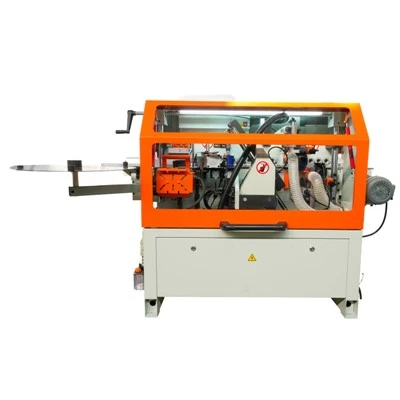
Let me cut straight to the chase: yeah, they exist. But before you run out and buy the first one you see, let’s break this down like we’re hanging out in the shop, no fancy engineering jargon that makes your eyes glaze over. I’m a dowel boring machine supplier, so I’ve tested more of these than I can count, and I’ve seen what works for small cabinet shops, big production lines, and everyone in between. Most of the confusion here isn’t whether the feature exists—it’s what it actually does, and why you might (or might not) need it.
First, let’s talk about what a “self-centering” dowel boring feature even is, because a lot of companies slap that term on stuff that’s just a regular drill with a little extra alignment pin. Real self-centering for dowel boring means the machine’s drill bits automatically find the center of your workpiece before you even pull the trigger. No marking lines with a pencil, no measuring with a tape, no fumbling with a square to line up the bit. For context, traditional dowel boring machines—especially the older standalone ones, or even some budget tabletop models—force you to measure and mark the exact center of each dowel hole, clamp the workpiece just right, and pray you don’t slip when you drill. That’s great for 10 pieces, but when you’re doing 1,000 identical cabinet parts, it’s just a recipe for tired hands and off-center holes.
The self-centering stuff works by using a few small guide pins that sit on either side of the workpiece. When you push the workpiece against the fence (the flat, straight piece that lines up your edges), those pins slip into pre-cut dents or just grip the edge, so the drill bit is perfectly aligned right out the gate. No guesswork, no re-measuring, no mistakes from a wobbly hand. I’ve seen guys who’ve used these for years say it cuts their setup time in half, and the defect rate for dowel joints drops by like 80%—that’s a big deal when you’re paying per piece for materials.
Now, not all self-centering dowel boring machines are created equal, and that’s where a lot of guys get tricked. A lot of entry-level models (the ones you see for $300-$500 on Amazon or hardware sites) call themselves “self-centering,” but they’re really just a single guide pin that only works on straight, square stock. If you’re doing something a little irregular, like a curved table edge, or you’re working with plywood that has a slight bow, that pin doesn’t do squat. The good ones— the ones we stock at my shop—have adjustable guide pins that can fit different workpiece thicknesses, and they sync with the drill heads so every hole is exactly where it needs to be, even if your pieces aren’t perfectly uniform.
I’ll give you a real example. Last year, I worked with a small custom furniture shop that was using a basic non-self-centering machine. They were making dining tables with curved aprons, and they were spending 20 minutes per table just marking and aligning dowel holes. They upgraded to a machine with a proper self-centering feature, and now they knock out the same table in 12 minutes. The joints are tighter, so they get way fewer callbacks from customers who notice a wobbly table. That’s not just a nice perk—that’s extra money in their pocket, plain and simple.
But wait, is self-centering for every single shop? Let’s be honest, no. If you’re a hobbyist who builds a couple of birdhouses a month, or you only do small jobs where you can afford to mess up a dowel or two, you probably don’t need it. The standard boring machines work just fine. But if you’re running a production shop, or doing custom cabinetry or furniture where precision is non-negotiable, and you’re looking to speed up your workflow, this feature is worth every penny.
Another thing to keep in mind: there are two main types of self-centering systems on these machines, and they fit different needs. The first is integrated into the machine itself—so the guide pins are part of the fence or the drill head assembly. That’s the most common, and it’s what we use for most of our mid-range and commercial models. The second is an add-on kit you can fit to an existing dowel boring machine. I’ve tested a few of those, and they work, but they’re not as smooth as a machine that’s built with the feature from the start. You’ll have to spend time adjusting the kit to fit your specific machine, and it doesn’t work as well for irregular workpieces. For a lot of guys, it’s cheaper to just upgrade the whole machine than mess with a kit that might cause more issues down the line.
I also get a lot of questions about accuracy. How accurate is a self-centering dowel boring machine, anyway? Let’s put it this way: a good one will keep your holes within 0.1 millimeters of perfect alignment. That’s so precise you’d need a micrometer to even notice the difference, but it makes a huge difference in how strong the dowel joint is. If your holes are even a little off, the dowel doesn’t sit flush, which means the joint is weaker and more likely to come loose over time. For furniture that’s meant to last, that’s a big deal. I’ve seen cheap, non-self-centering machines have up to a 1mm error, which might not sound like much, but it leads to gaps, wiggles, and unhappy clients.
Now, a few common myths I hear about these machines. First: “Self-centering machines are only for big operations.” Nope. We have tabletop models with the feature that are perfect for small shops or even home workshops that crank out a few projects a week. They’re compact, easy to move, and still way more accurate than a basic machine. Second: “They’re too expensive.” Yeah, the good ones cost more than a $200 entry-level model, but when you factor in the time you save, the less material waste from bad holes, and the higher quality of your work, they pay for themselves in a matter of months. I’ve had customers tell me their self-centering machine paid for itself in 3 months, just from not having to re-do bad joints.
If you’re still on the fence, let’s talk about what to look for when you’re shopping. First, make sure the self-centering feature is adjustable. You want guide pins that can handle different workpiece thicknesses—like if you’re boring holes in 1-inch thick cabinet sides and ¾-inch thick shelves, the pins need to move with that. Second, check if the drill heads are synchronized. A lot of machines will bore two holes at once for a dowel joint, and if those two holes aren’t aligned, even the best guide pins won’t fix it. The good ones sync the drill bits so they’re perfectly matched. Third, ask about the fence. A solid, cast-iron fence (not a plastic or thin metal one) will keep the workpiece aligned, which makes the self-centering feature work way better. Thin fences can bend a little, leading to off-center holes, no matter how good the guide pins are.
At the end of the day, the answer to “Are there dowel boring machines with a self-centering feature?” is a resounding yes. But it’s not a one-size-fits-all thing. If you’re in the market, don’t just buy the first machine that has “self-centering” in the name. Ask questions, test it if you can, and figure out what your shop actually needs. If you’re tired of marking lines, wasting material, or dealing with wobbly joints, this feature is a game-changer.
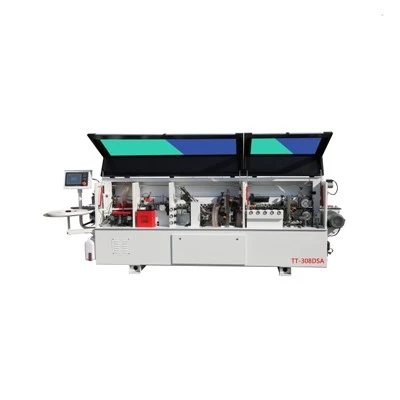
If you’re ready to talk through what works for your specific setup, or you want to see a demo of the models we carry, just reach out. I don’t do sales pitches that feel like a used car commercial— I know what it’s like to run a shop, so I’ll tell you straight up if a machine with self-centering is right for you, or if a standard model would serve you better. No pressure, no hidden fees, just straight talk about making your workflow easier and your work better.
Side Drilling Machine References
- Woodworking Network. (2022). Key Features to Look for in Dowel Boring Machines for Cabinet Shops.
- American Woodworker. (2021). Precision Dowel Joining: Benefits of Self-Centering Boring Systems.
- Fine Woodworking. (2023). Workflow Efficiency in Furniture Manufacturing: Dowel Boring Technology Insights.
Hangzhou Ting Ting Trading Co., Ltd.
Hangzhou Ting Ting Trading Co., Ltd. is one of the most professional dowel boring machine manufacturers and suppliers in China. With abundant experience, we warmly welcome you to buy advanced dowel boring machine at competitive price from our factory. If you have any enquiry about cooperation, please feel free to email us.
Address: Changshu City, Suzhou City, Jiangsu Province
E-mail: tingting12135@outlook.com
WebSite: https://www.tingtingwoodmachine.com/
