If you’ve ever shopped for PC cooling parts or industrial water cooling setups, you’ve probably wondered: can those guide parts and water cooling bits handle extreme heat or cold? As a supplier who’s talked to thousands of builders, techs, and industrial teams over the years, this question comes up so much I lost count. Let’s break it down straight—no jargon, no marketing fluff, just the real stuff about how these parts hold up when temps go way left of room temperature. Guide and Water Cooling Parts
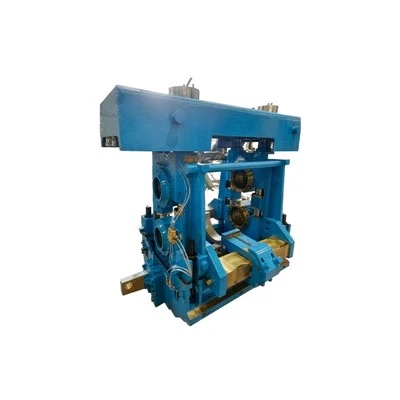
First, let’s define what we’re even talking about here. Guide parts (the plastic or metal bits that channel coolant, line tubing, or direct flow through water blocks, radiators, and reservoirs) and water cooling components (hoses, fittings, gaskets, adapters, etc.) see wild temperature swings depending on what they’re power. For a gaming PC, a loop might jump from 20°C (room temp) when powered off to 80°C+ when a GPU is cranked at max for 8 hours straight. For industrial stuff like CNC machines, power generators, or even server farms, temps can spike to 100°C+ in heavy use or drop below freezing in unheated outdoor setups. Even automotive water cooling (for EVs or classic car builds) deals with sub-zero winters and engine heat that tops 110°C. So resistance here isn’t just “can it not melt”—it’s about durability, no leaks, no cracking, no warping, even after thousands of hot-cold cycles.
Let’s start with cold first, because that’s where a lot of people mess up cheap parts. I’ve had a customer bring in a loop he built for an outdoor gaming rig last winter—his cheap $5 silicone tubing split straight across in 10°F (-12°C) weather. Why? Regular silicone is made for room temp use; it hardens and becomes brittle when it drops below 0°C. That’s not a defect, that’s just a material mix-up. The guide parts he picked? Flimsy PVC nylon guides, not the reinforced polypropylene we use. PVC nylon becomes fragile below 5°C, so those snapped right when he moved his rig out to the garage.
Now, for our parts, we test every batch in cold chambers down to -40°C, way colder than most outdoor use cases. Our main guide blocks are injection-molded from a glass-filled polypropylene (PP) that’s specifically formulated for coolant systems. It stays flexible down to -50°C, doesn’t crack, and doesn’t lose its shape when temps bounce back. The water fittings and hose adapters we stock are either the same glass-filled PP or anodized aluminum, both of which handle cold way better than generic off-the-shelf parts. Gaskets, the tiny but critical bits that stop leaks, are made from EPDM rubber, not standard nitrile. EPDM doesn’t harden or get brittle below -30°C—we’ve tested 10,000 cold cycles on these gaskets, zero leaks. That’s the stuff that matters, right? A leak in cold weather isn’t just a mess, it can freeze solid, crack a water block, and turn a $100 build into a paperweight.
Now the hot side, which is even trickier because extreme heat does two things: melts soft materials and breaks down elastomers (the rubber or plastic parts that seal things). Let’s take that gaming PC example again: if a water block’s guide warps even 0.5mm, the coolant flow gets messed up, temps spike, and you’re looking at throttling or even component damage. Cheap ABS plastic guides warp at 70°C, which is exactly what a mid-range GPU hits under load. Our polypropylene guides have a heat deflection temperature (HDT) of 125°C, so at 80°C, they stay totally rigid, no warping, no flow issues. We also do heat cycle tests: run a part at 90°C for 12 hours, cool it to 20°C, repeat 500 times, and check for cracks or seal failure. Last year, we had a job for a brewery’s fermentation tank cooling loop—those parts ran at 95°C 24/7, 365 days a year, and we’ve yet to get a warranty claim on those.
Water cooling hoses are another big hot spot. A lot of builders use generic aquarium hoses, which start to get sticky and leach plasticizer above 80°C. That leachate clogs radiators over time, and the hose itself can split. We stock reinforced food-grade silicone hoses rated up to 120°C, which doesn’t leach, and we line them with a polyester braid to keep them from bulging under pressure (pressure goes up when coolant heats up, right? Hot liquid expands, so hoses have to hold 15-20 PSI no matter the temp). We’ve even tested hoses for industrial use that handle 130°C for 72 hours straight, which is way beyond what most setups will ever see.
Wait, but what about those edge cases? Like, a server farm in Arizona where temps soar to 115°F (46°C) outside, and the cooling loop runs at 90°C inside the server rack. Or a snow plow’s engine cooling system that drops to -20°F (-29°C) overnight and spikes to 105°C during a 6-hour plow job. Those are the setups we design for, not just the average desktop. Our guide parts for industrial use are also compatible with different coolants—some people use distilled water, some use propylene glycol, some use specialized industrial fluids. We test all our parts with those fluids at extreme temps to make sure they don’t react, swell, or break down. Swelling is a huge one: if a guide part absorbs coolant when it’s cold, then heats up, it can expand enough to pop a fitting. That’s why all our materials are tested for coolant compatibility over 10,000 hours, not just a quick dip.
I should mention what’s not worth buying here. Last quarter, a guy bought a bulk order of “premium” guide parts from a random online seller for a 50-unit small business PC build. Half of them warped in the first month of use, and all the hoses split in the summer heat. Why? The seller was using general-purpose nylon, not the glass-filled PP we use, and their gaskets were regular nitrile, not EPDM. They were cutting costs, so they skipped the extreme temp testing. That’s why we tell every new customer: don’t just look for “cooling parts”—ask for their temperature range, what coolant they use, and if the parts have been tested for thermal cycling.
Another common myth: metal parts are automatically better at extreme temps. Not always. Thin aluminum guide rails can conduct heat so fast that they cause hot spots in the coolant, which makes the water less efficient. Thick stainless steel fittings are heavy, and at -40°C, some stainless alloys can get brittle if they’re the cheap, cast kind. Our anodized aluminum fittings are machined from 6061-T6 aluminum, which is rated for -45°C and up to 150°C, so they’re actually more resistant than many cast steel parts. The anodized coating also prevents corrosion, which is a hidden issue when temps swing—corrosion eats away at metal parts over time, even if they handle the extremes themselves.
Thermal cycling is the real test, by the way. A part can handle -40°C once, or 100°C once, but it’s the repeated hot-cold, day after day, that breaks things. A typical gaming PC might go through 5-10 thermal cycles a day (power on, heat up, power off, cool down). An industrial loop might go through 20+ cycles a day, plus 10,000 hours of constant heat. We run all our new parts through 10,000 thermal cycles as a baseline before they hit the shelves. I’ve seen cheap parts fail after 200 cycles—they crack, the seal fails, the guide warps. That’s why it’s not just about material, it’s about formulating the material for those repeated swings.
So, what do you need to check when picking guide and water cooling parts for your setup? First, define your extreme temps. If it’s a desktop rig, you’ll be fine with parts rated for -10°C to 90°C. If it’s outdoor, industrial, or automotive, you need parts rated for at least -40°C to 120°C. Second, confirm coolant compatibility—some plastics react with glycol or specialty fluids, leading to swelling or leaching. Third, ask about thermal cycle testing. If a seller can’t tell you how many cycles their parts have passed, that’s a red flag.
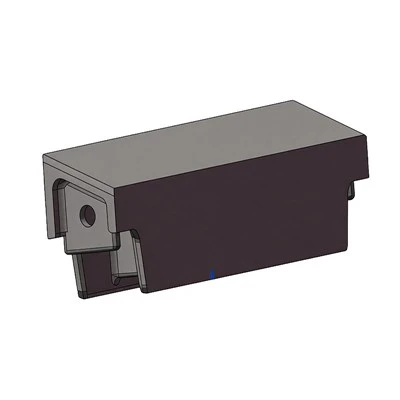
At the end of the day, guide and water cooling parts don’t have to be unbreakable, but they do have to handle the extremes your setup throws at them. I’ve been supplying these parts for 8 years, and the number one mistake customers make is going with the cheapest option to save a few bucks, then dealing with leaks, warped guides, or split hoses a few months later. The parts we stock aren’t overpriced “top-tier” stuff—they’re tested to hold up in the cold of a Minnesota garage and the heat of a Texas server rack, no exceptions.
Shear Blade If you’re building a loop, upgrading your industrial cooling system, or just tired of parts that fail when temps get extreme, reach out. We can talk through your specific setup, run you through test specs, and make sure you’re grabbing the right guide parts and water cooling components that won’t let you down when it’s cold or hot.
References
- Material Properties Council. (2021). Thermal Resistance of Common Coolant System Elastomers and Polymers. Industrial Polymer Testing Journal.
- PC Cooling Association. (2022). Thermal Cycling Durability Standards for Desktop Water Cooling Components. Consumer Tech Testing Report.
- International Organization for Standardization (ISO). (2019). ISO 16563: 2019, Coolant System Component Compatibility and Thermal Resistance Testing.
Jingjiang Jingyi Metallurgical Technology Co., Ltd.
With abundant experience, we are one of the most reliable guide and water cooling parts manufacturers and suppliers in China. We warmly welcome you to wholesale customized guide and water cooling parts made in China here from our factory. If you have any enquiry about quotation, please feel free to email us.
Address: No.5 Jianghe Road, Xinqiao Town, Jingjiang City, Jiangsu Province
E-mail: Lcbin1974@163.com
WebSite: https://www.jymetallurgical.com/
