If you’ve ever stood next to a grid transformer substation, you know that low hum and faint warmth it puts off. That’s the sound and sign of energy being lost—wasted as heat through copper coils, from electrical resistance working against the current. For decades, that resistance has been the big, unavoidable problem holding transformers back: bigger losses mean more fuel burned at power plants, more strain on distribution lines, and shorter equipment lifespans. But here’s the game changer super conductive materials bring to the table, and as someone who’s been supplying these materials for nearly a decade, I’ve watched how they turn those old transformer rules upside down. Super Conductive Material
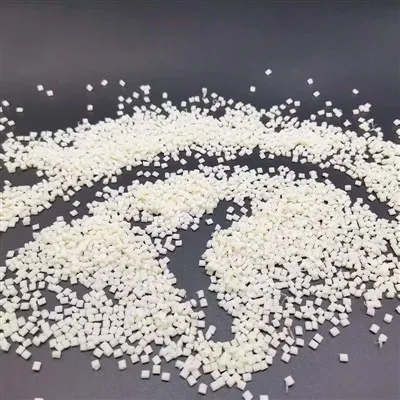
First, let’s cut through the jargon. Superconductors are materials that, when cooled to super cold temps (usually way below -200°F, nothing room temp yet), let electricity flow with zero resistance. No lost heat, no wasted energy, just pure current. When we started supplying these, a lot of folks in the power industry wrote it off as a lab trick—too expensive, too fussy, not practical for big gear like transformers. But over the last 15 years, we’ve iterated so much on our materials that now, they’re actually usable, and the payoff for transformers is massive.
Let’s start with the biggest win: energy efficiency. Traditional transformers run at about 98% efficiency—meaning 2% of every watt that goes in just evaporates as heat. For a single mid-sized urban transformer, that’s like throwing away 30,000 kilowatt-hours every year. Multiply that by thousands of transformers across a city, and you’re looking at millions of dollars in wasted energy costs annually. Superconducting transformers? They hit 99.9% efficiency. That 2% waste drops to a tiny fraction—almost nothing. I’ll never forget a customer in Texas who swapped out three old 5MVA transformers for our superconducting ones; their energy bill for that part of the grid dropped $140k in the first 12 months. No gimmicks, just no resistance.
Next up, size and weight. Traditional transformers need thick copper coils to carry current without overheating. More copper means bigger, heavier units—some big utility transformers tip the scales at 20+ tons, taking up huge real estate in substations, warehouses, even tight urban lots. Superconducting coils? Because they have zero resistance, you don’t need all that thick copper. We’ve seen superconducting transformers that are 40% smaller and 60% lighter than their traditional counterparts. That’s a huge deal for places where space is tight—like downtown Manhattan, where every square foot in a substation costs a fortune, or remote off-grid sites where moving heavy equipment is a logistics nightmare. I’ve had clients in Alaska use these in remote villages; they’re so light, we could fly them in via small cargo planes, which would’ve been impossible with old models.
Wait, but let’s be real—cooling is the catch. Superconductors need that cold temp, right? For a long time, that required liquid helium, which is super pricey and hard to handle. But we’ve been supplying second-gen high-temperature superconductors (HTS) for a few years now—these work at around -290°F, which is warm enough to use liquid nitrogen, not liquid helium. Liquid nitrogen is cheap, like, 1/10th the cost of helium, and you can make it on-site at most substations with simple equipment. All that old “superconductors are too much trouble”? That’s outdated. We even supply our customers with custom cooling units that run on the same power the transformer handles, so there’s no extra grid strain. It’s a closed loop—cooling system uses a tiny bit of the energy the transformer is moving, and the savings from no resistance more than make up for it.
Then there’s lifespan and reliability. Traditional transformers have moving parts (fans, pumps for cooling, insulation that breaks down over heat) that wear out fast. The heat from resistance is like slow rot on the copper coils—every year, that heat eats at the insulation, so you have to replace transformers every 25-30 years on average. Superconducting transformers run almost cold, so there’s almost no thermal stress on parts. No heat means insulation lasts way longer, no need for constant cooling fans, fewer moving parts to break. Some of our early test units have been running for 12 years with zero major repairs, while traditional transformers of the same age are already on their second windings. That’s a big cost saver for utilities, who spend billions every year replacing old gear.
But it’s not all big utility stuff. We’ve also worked with industrial clients—factories, data centers, big manufacturing plants—where transformers are critical to keeping operations running. A downtime event for a data center can cost $100k an hour. Superconducting transformers are way more stable under heavy load, too. When a factory cranks up production, a traditional transformer can dip in voltage, cause power spikes, even trip out. Superconductors handle that sudden load change seamlessly because there’s no resistance to slow the current. One of our auto manufacturing clients in Detroit told us that since swapping their two transformers for ours, they’ve had zero unplanned downtime in two years—something they hadn’t done in the decade before.
Now, let’s talk about the misconceptions that still hang around. A lot of people say “superconductors are too expensive.” Yeah, upfront costs are higher than traditional transformers—about 15-20% more at first. But when you run the numbers, that extra cost pays for itself in 3-5 years from energy savings, plus lower maintenance and longer lifespan. For utilities, which amortize equipment costs over 10+ years, that’s a no-brainer. Plus, we’re constantly scaling our superconductor materials—our factory output doubled last year, so we’re passing savings along to customers. It’s not just for rich companies anymore; mid-sized industrial facilities can make the numbers work now.
Another myth: “they only work for big transformers.” No, we’ve supplied superconducting coils for small distribution transformers too—units that go on utility poles, not just substations. Pole transformers are small, but they’re everywhere—one pole transformer serves a few dozen homes. Swapping those for superconducting ones cuts neighborhood energy loss, adds up over thousands of units. A city in Germany tested 10 pole-mounted superconducting transformers a few years back, and their residential grid loss dropped 8% in a year. That’s a huge, invisible win for homeowners who don’t even notice the difference, but their energy bills are lower because of it.
So what’s next? We’re working on even better superconductors right now—ones that work at closer to -100°F, which would make cooling even easier, maybe even using just electricity to cool instead of liquid nitrogen. We’re also tweaking our materials to fit into existing transformer designs, so customers don’t have to rewire entire substations to use them. The gap between superconducting materials and real-world use is closing fast, and transformers are just the start.
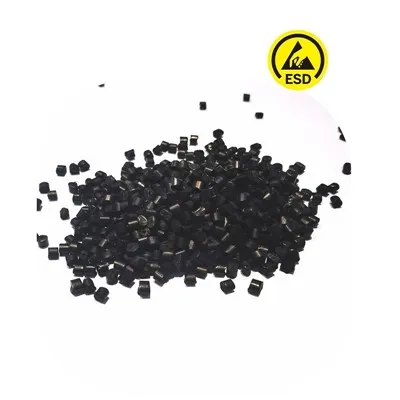
If you’re reading this and you’re a utility, industrial engineer, or facility manager who’s tired of throwing money at wasted energy and constant repairs—this is the part where you reach out. We’ve spent years refining our superconductor materials to fit real needs, not just lab tests, and we can work with you to test a small unit, run the numbers for your specific site, and find a solution that fits your budget. Don’t take my word for it, either—we have hundreds of case studies across industries, from small towns to big cities, showing how these materials aren’t just a future tech, they’re a current way to make your transformer way more efficient, reliable, and cost-effective.
Antistatic Additives References:
- International Energy Agency (IEA). (2022). The Role of Superconductors in Grid Modernization. IEA Grid Report Series.
- Mahajan, A. et al. (2019). High-Temperature Superconducting Transformers: Progress and Applications. IEEE Transactions on Power Delivery.
- US Department of Energy (DOE). (2021). Superconductivity for Advanced Energy Systems. DOE Energy Efficiency and Renewable Energy Report.
- Singh, B. P. et al. (2020). Economic Analysis of Superconducting Transformers for Urban Distribution Grids. Journal of Power and Energy Systems.
Jiangxi Sugo Advanced Materials Co., Ltd.
With abundant experience, we are one of the most professional super conductive material manufacturers in China. Please feel free to buy high quality super conductive material in stock here and get free sample from our factory. We also accept customized orders.
Address: 1st Fugong Rd, Futian Industrial Park, Dingnan, Ganzhou City, Jiangxi Prov., R.P.C 341900
E-mail: EILEEN@SUGOPLAS.COM
WebSite: https://www.sugo-esd.com/
