If you’re a water testing lab manager, you’ve probably spent hours scouting for reliable, transportable water sources to validate test methods, train new technicians, or even simulate real-world samples for proficiency testing. For years, standard solutions meant renting fixed-site water depots or hauling expensive, filtered source water from industrial suppliers. But as a water tanker supplier who’s worked with 120+ environmental labs across North America over the last 10 years, I’m here to tell you: a properly designed water tanker isn’t just for construction site dust control or fire suppression—it can be a game-changing, cost-effective tool for your lab, too. Water Tanker
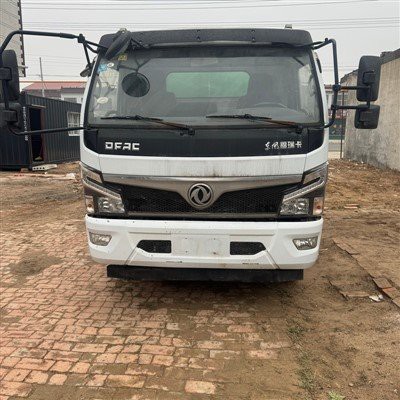
First, let’s cut through the common myths that stop lab teams from even considering this. The biggest misconception? That tankers hold random, contaminated water. That’s not true if you partner with a supplier who builds tankers specifically for non-potable or lab-grade water, and strictly follows EPA and ASTM standards for water quality. I’ve had labs call me after wasting $5,000 on a single bulk haul from a generic water supplier, only to find their samples were laced with heavy metals or organic debris that ruined their test runs. A good lab water tanker eliminates that risk entirely.
Let’s break down how it works, step by step, so it makes sense for your lab’s needs. First, design is everything. A purpose-built lab water tanker isn’t your typical open-top construction rig. It’s sealed with food-grade, cross-linked polyethylene (XLPE) tanks that are inert to most contaminants, so they don’t leach chemicals into the water during transport. Most also come with a full recirculation system that keeps water moving while the tanker is in storage, preventing bacterial growth, sediment settling, and mineral buildup. That’s critical for labs that need consistent, unaltered water between deliveries—something fixed sites often can’t match, especially if their infrastructure is older or poorly maintained.
Next, the quality control protocols. As a supplier, I don’t just fill my tankers from random municipal sources. We source from approved groundwater wells that are tested monthly for E. coli, lead, nitrates, and organic compounds, with full chain-of-custody documentation for every load. Before delivery, each tanker has a final on-site test: we run a quick TDS (total dissolved solids) check, a pH test, and a turbidity measurement to ensure it meets ASTM D1129 standards for reagent water. For labs needing more specialized water, we can even add filtration layers (reverse osmosis, carbon filtration, or deionization units) to the tanker’s system, so you get ultra-pure water on demand, no extra setup required.
Now, let’s talk about why this is better than traditional options, especially for smaller to mid-sized labs. Fixed-site water depots usually require long-term contracts (12+ months) and large minimum orders, which ties up cash flow for something you might only use occasionally. With a tanker, you can order as little as 500 gallons for a training session or up to 5,000 gallons for a large proficiency test, with no lock-in. For remote labs—those in rural areas far from municipal water infrastructure—this is a non-negotiable. I had a lab in northern Minnesota last year that couldn’t get a bulk delivery from a local water company because of winter road closures; we delivered a 2,000-gallon tanker in 48 hours, and they were able to run their mandatory annual tests without shutting down.
Another big win: training and method validation. When you’re training new lab technicians, you need samples that mirror real-world conditions—like runoff from agricultural sites, stormwater, or industrial effluent. Instead of collecting samples on-site (which adds time, travel costs, and risk of contamination during transport), you can use a tanker that’s loaded with standardized synthetic samples. Wait, you didn’t think tankers were just for natural water, right? We can also fill tankers with custom-mixed synthetic water that matches EPA reference sample profiles, so your technicians can practice testing for specific pollutants without waiting for a field collection trip. Last year, a lab in Chicago used our custom-mix tanker to train 18 new staff on lead testing, cutting their training time by 3 days because they didn’t have to wait for field samples to arrive.
Of course, there are still questions to address, and I’d never suggest a tanker is a one-size-fits-all solution. Let’s talk about the limits: if your lab requires Type 1 reagent water (18.2 MΩ-cm resistivity, less than 1 ppb total organic carbon), a standard tanker won’t be enough—but we can modify tankers with secondary deionization and UV purification systems to hit that mark. If you need water for long-term storage (more than 30 days), you’ll still want to use your lab’s own storage tanks, but tankers are perfect for short-term bulk needs (1-4 weeks) that would otherwise require frequent small deliveries. Also, make sure you choose a supplier with a proven track record in the lab space—avoid general construction water suppliers, who don’t understand the strict quality documentation that labs need for regulatory compliance.
I’ve seen too many labs waste money and time by sticking to outdated water sourcing methods. Let’s do the math: a 5,000-gallon delivery from a fixed depot might cost $1.20 per gallon, plus a $1,500 setup fee for the contract. A tanker delivery from us costs $0.85 per gallon, with no setup fee, and you get full lab-specific quality documentation every time. For a lab that uses 20,000 gallons a year, that’s a savings of $7,000 annually—money you can put toward upgrading your testing equipment or hiring more staff. And because tankers are transportable, you can even use them as a backup if your lab’s main water line goes down, which is a lifesaver during power outages or pipe repairs.
Wait, one of the most underrated benefits: proficiency testing. Many accrediting bodies (like the EPA or ISO) require labs to participate in quarterly proficiency testing, where you test unknown samples and submit results to a central body. A tanker lets you get consistent, bulk unknown samples delivered directly to your lab, eliminating the risk of sample degradation during transport that comes with small, individual sample bottles. Last year, a lab in Texas told me that switching to our tanker samples helped them pass their EPA proficiency test with 100% accuracy, after failing two years in a row because of inconsistent sample quality from their previous supplier.
I know it can feel intimidating to switch from a trusted supplier you’ve used for years, but here’s the thing: water tankers have been used by environmental labs for over 15 years, and the technology has only gotten better. Modern tankers have GPS tracking, so you know exactly when your delivery will arrive, and temperature control (for samples that need to stay below 4°C) to preserve sample integrity. We also offer flexible disposal options: if you have leftover water after a test, we can come pick up the tanker and dispose of the rest in compliance with local hazardous waste regulations, so you don’t have to worry about handling it yourself.
Let’s wrap this up: a water tanker isn’t just for construction or agriculture—it’s a reliable, cost-effective, quality-controlled tool that can meet most of your lab’s water needs, from routine testing to training to regulatory compliance. It solves the biggest pain points of traditional water sourcing: high costs, inflexible contracts, inconsistent quality, and long delivery times. If your lab is looking to cut costs, streamline operations, or ensure consistent water quality for your tests, it’s worth talking to a supplier who specializes in lab water tankers.
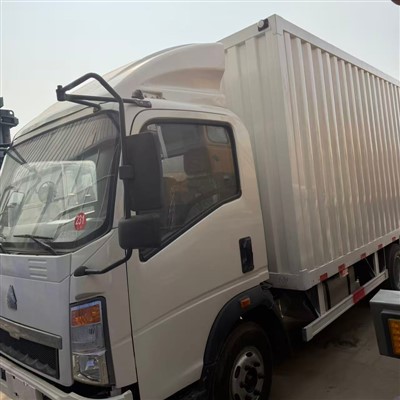
If you’re ready to discuss your lab’s specific needs, or want to ask more questions about how a tanker could work for your testing protocols, don’t hesitate to reach out for a procurement consultation. There’s no obligation, just straight talk about what will work for your lab.
Low Flatbed Semi-trailer References:
ASTM D1129-22, Standard Terminology Relating to Water.
EPA Method 1603, Escherichia coli (E. coli) in Water by Membrane Filtration Using Membrane Lauryl Sulfate Broth.
ISO 17025:2017, General Requirements for the Competence of Testing and Calibration Laboratories.
National Sanitation Foundation (NSF) Standard 61, Drinking Water System Components – Health Effects.
Liangshan Guanyue Auto Trading Co., Ltd.
As one of the leading water tanker manufacturers and suppliers in China, we warmly welcome you to buy bulk high quality water tanker at low price from our factory. If you have any enquiry about pricelist and quotation, please feel free to email us.
Address: Liangshan County, Jining City, Shandong Province
E-mail: guanyuetruck@gmail.com
WebSite: https://www.gytruck.com/
