Hey everyone, if you’re in the ceramics game, you know a tunnel kiln isn’t just a metal box with a conveyor belt—It’s the heart of every batch of tiles, mugs, or dinnerware that leaves your shop. And if you’ve ever wondered what makes that heat tick, let’s talk burners. As someone who’s been supplying ceramic tunnel kiln parts (and whole kilns, tbh) for years, I’ve seen way too many operators misjudge burner roles, which leads to wonky finishes, energy waste, and even broken kilns. Today, let’s break this down like we chat over a coffee, no stuffy engineering jargon. Ceramic Tunnel Kiln
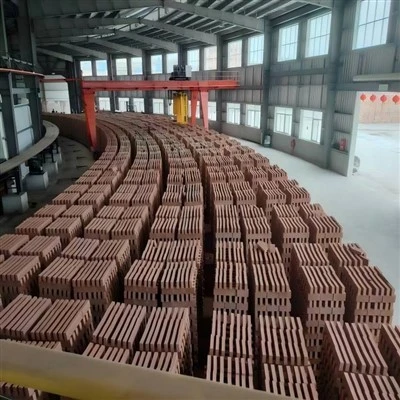
First, let’s set the scene: A ceramic tunnel kiln is a long, horizontal tunnel split into zones—dryer, preheat, firing, cooling. Ware (think green tiles straight from the press) rolls in on a kiln car or conveyor, and it moves slow: 1-3 meters an hour, depending on the ceramic type. That slow crawl is key because clay doesn’t just “cook”—it goes through physical and chemical changes step by step. The burner’s job isn’t just to heat things up; it’s to sync that heat perfectly with the ware’s movement.
Wait, let’s start with the basics most people skip. A burner isn’t a single thing—it’s a system with a nozzle, a fan, a gas (or sometimes oil) feed, and a control panel. Unlike a old-fashioned pottery kiln with one big flame, tunnel kiln burners are small, distributed, and placed along the tunnel walls or ceiling, not just at the entrance to the firing zone. Why? Because the firing zone (usually called the “hot zone”) needs a tight, steady temperature—for porcelain, it’s 1200-1400°C; for stoneware, 1100-1300°C. One big burner would create hot and cold spots, which causes warping, glaze crawling, or even cracks. I’ve had a customer call me once because their 10,000 tile batch came out with half the edges too dark and the middle too light—turns out their old kiln had only 2 burners for a 30m hot zone, not the 8 it needed. That’s the first big function: even, zone-specific temperature control.
Next, let’s get into the chemistry, plain and simple. Green ware is full of moisture, organic binders (like the stuff that holds clay particles together), and volatile compounds. If you heat it too fast, those things explode—hence “green ware explosions” I’ve seen operators panic over. The burners don’t just pump heat; they control the “atmosphere” of the kiln too. That’s the mix of oxygen and flue gases in each zone. For example, when clay is in the preheat zone (right before hot zone), burners are adjusted to have a bit more oxygen—this burns off those binders slowly, so they escape without breaking the ware. Then, in the hot zone, the atmosphere is usually slightly fuel-rich (less oxygen) to make glaze melt evenly without turning brown. I remember a small pottery shop owner who switched from a old kiln with a single burner to one with our zone-controlled burners, and he cut his defect rate from 12% to 2% in the first batch. That’s the burner doing its second big job: managing the kiln atmosphere to prevent defects.
Here’s another one a lot of folks miss: energy efficiency. Tunnel kilns run 24/7 for weeks straight, so even a 5% energy waste adds up to thousands in bills. The burners are tied to the kiln’s control system, right? So when ware is moving slower (like during a changeover), the burners dim automatically. If a zone is cooling faster than needed, the burner adjusts its flame size, not just cuts out entirely. I once worked with a big tile manufacturer that was spending $15k a month on gas; swapping their old, inefficient burners with our high-ratio burners (they mix air and gas perfectly, no extra fuel wasted) cut their gas bill by 28% in 3 months. That’s the third function: optimizing fuel use to keep operational costs low.
Wait, let’s address a common myth: some people think tunnel kiln burners are just for the hot zone. No way. Each zone has its own burners. The preheat zone burners (sometimes called “waste heat burners”) actually use the flue gases from the hot zone to preheat the incoming air, so you’re not wasting all that hot air out the chimney. The cooling zone has burners too? Yeah, not for heating—they’re for “reheating” a bit so the ware cools slowly. If you cool ceramic too fast, it develops internal stress (called “thermal shock”) and cracks. Those cooling zone burners maintain a gentle, steady cool, so the ware is strong when it exits. I’ve seen a customer ruin a $20k batch of custom bathroom tiles because they skipped adding cooling zone burners; half the tiles cracked on the kiln car when they dumped them off. That’s a perfect example of how burners aren’t just for heating—they’re for every step of the process.
Now, let’s talk about why burner type matters, since I’m a supplier, I should be real about this. Not all burners are made equal. For small batch operations (like a 15m kiln for artisanal mugs), you don’t need industrial-grade high-capacity burners—you need compact, low-emission burners that let you adjust zones easily. For large tile factories, you need modular burners that can be replaced one at a time without shutting down the whole kiln (shutting down a tunnel kiln takes 3 days just to cool it, that’s massive downtime). I’ve had clients ask for cheap burners off Amazon, and I always warn them: those ones don’t have precise air-gas ratio controls, so they’ll cause temperature swings, which leads to defects. Spend a bit more on good burners, and you save way more on rework and downtime.
Also, maintenance—burners aren’t set it and forget it. I tell all my clients to inspect burners every 3 months: check for clogged nozzles (clogged = uneven flame, hot spots), loose connections (leaks = wasted fuel), and dirty fans. A simple clean of a burner nozzle takes 10 minutes, and can prevent a $5k repair job. Last year, a client called me at 2am because their burner failed mid-batch; we sent a tech out, fixed it in 2 hours, and the batch was fine. That’s the kind of support you need when you rely on your kiln to make money.
Let me wrap this up. The burner in a ceramic tunnel kiln isn’t just a heat source—it’s the conductor of the whole process. It keeps temperatures even, controls the atmosphere to avoid defects, saves you cash on fuel, and even manages the cool down to strengthen your ware. Too many operators overlook this tiny (but important) part, and that’s why they end up with headaches.
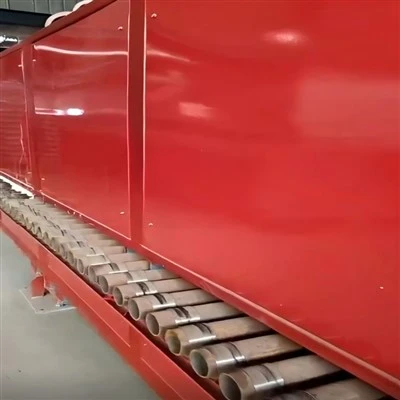
If you’re looking to upgrade your tunnel kiln’s burners, or even replace a whole burner system to cut defects and costs, hit me up. I’ve helped hundreds of ceramic shops and factories pick the right burner setup for their space, no fluff, no overpriced junk. Let’s chat, no pressure, just figuring out what works for you.
Industrial Kiln References
Ceramic Industry Magazine. (2022). "Tunnel Kiln Burner Technology: Balancing Heat, Atmosphere, and Efficiency."
International Organization for Standardization (ISO). (2019). "Thermal Processing of Ceramic Products – Tunnel Kiln Performance Specifications."
Kiln Technology Association. (2021). "Common Burner-Related Defects in Ceramic Production and Mitigation Strategies."
Henan Yaxin Kiln Co., Ltd.
Henan Yaxin Kiln Co., Ltd. is one of the most professional ceramic tunnel kiln manufacturers and suppliers in China. With abundant experience, we warmly welcome you to buy high quality ceramic tunnel kiln with the latest design from our factory. Good service and punctual delivery are available.
Address: Jixian Industrial Zone, Shangqiu City, Henan Province
E-mail: 1543563178@qq.com
WebSite: https://www.hnyxkiln.com/
