If you’ve invested in a Moxibustion Treasure—whether it’s our portable handheld model for at-home use, the larger tabletop unit for spa sessions, or the herbal-infused ceramic set that’s become a staple in wellness routines—you already know how transformative consistent, safe moxibustion can be. As someone who’s been supplying these tools for over a decade, I’ve seen customers skip small maintenance steps that cut their Treasure’s lifespan in half, or rush through care that leads to burnt herbs, unpleasant smells, or even safety hazards. Today, I’m breaking down the practical, science-backed ways to maintain your Moxibustion Treasure so it works reliably for years, stays effective, and keeps you safe every time you use it. Moxibustion Treasure
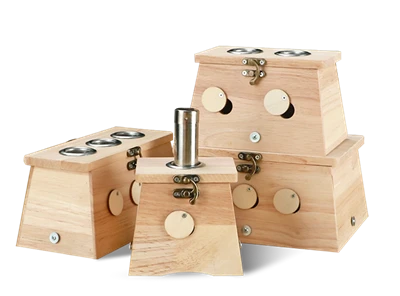
First, let’s get one thing straight: Moxibustion Treasures aren’t disposable, but they do require regular upkeep because they hold onto ash, residual herb oil, and burnt particles that can degrade materials over time. The core of maintenance is simple—clean it after every use, inspect for wear weekly, and store it correctly—but there are nuanced steps that vary based on which type of Treasure you own. I’ve talked to hundreds of my customers who’ve bought our portable moxa sticks, our tabletop heating units, and our ceramic acupuncture moxa sets, so I’ll tailor these tips to each category to make it easy.
Let’s start with the most common model: portable handheld Moxibustion Treasures. These are lightweight, designed to clip to your clothing or rest on acupressure points, and perfect for people new to moxibustion. After every use, the first thing you need to do is let it cool completely. I can’t stress this enough—many first-time users make the mistake of wiping it down right after their session, but the metal casing and ceramic insert can stay hot for 45 to 60 minutes after you put it down. Never rush this step; trying to clean a hot unit can lead to burns or warping of the metal body. Once it’s fully cool, empty the ash. The ash from moxa (the dried mugwort herb we source exclusively from organic farms in Jiangsu, by the way) is actually gentle, but a thick layer of ash buildup on the mesh air holes can restrict airflow, which makes the moxa burn unevenly and wastes herb. To remove it, tap the unit over a non-flammable container—we recommend a metal tin or ceramic bowl, not a plastic one that can melt. If there’s stubborn ash caked on the mesh, use a soft-bristled nylon brush, not a metal scouring pad, which can scratch the mesh and create sharp edges that might catch your moxa herb. For any sticky residue from moxa oil that’s seeped onto the outer casing, wipe it down with a damp microfiber cloth and a small amount of mild, fragrance-free dish soap. Avoid harsh chemicals like bleach or window cleaner—they can leave a toxic residue that burns your skin or contaminates the moxa when you use it next. Once you’ve wiped it down, dry it thoroughly with a clean towel before storing it; any leftover moisture can cause rust on the metal parts over time.
Next, if you own a tabletop Moxibustion Treasure, the kind with a sturdy base, adjustable heating element, and often a lid for larger sessions. These are made for longer, deeper sessions, so they collect more residue than portable models. After each use, follow the same cooling rule—wait at least an hour, or even two if you ran a long session. For the interior ceramic dish, this is where most buildup happens: burnt moxa herb, oil, and sometimes a small amount of the stick’s paper wrapper (if you didn’t remove it fully before use). I recommend using a non-abrasive sponge or a wooden spatula to scrape away the bulk of the residue, then fill the dish with warm water and a tablespoon of baking soda. Let it soak for 15 to 20 minutes—this breaks down the oily residue without scratching the ceramic. After soaking, scrub gently with a soft brush, rinse well, and dry completely. For the mesh filter on these units, which is larger and catches more debris, you can also rinse it under warm water, but never put it in the dishwasher; the high heat and harsh detergents will warp the metal. Weekly, I recommend checking the adjustable air vents on the base of the tabletop unit. These vents control how much oxygen gets to the burning moxa, so if they’re clogged with dust or ash, your heating will be uneven. Use a small, soft pipe cleaner to clear out any buildup in the vent holes—this is a quick step that makes a big difference in performance. Also, for the power cord if your tabletop unit is electric (not the manual heat models), inspect it monthly for frays or cracks. If you notice any damage, stop using it immediately and contact us for a replacement cord, or take it to a certified electrician—never use a damaged cord, as it’s a fire hazard.
Then there’s the ceramic Moxibustion Treasure set, the traditional model many experienced practitioners love. These are handcrafted from high-fidelity clay, designed to hold heat for longer, and often paired with tiny moxa cones. The maintenance here is a bit gentler than the metal models, because the clay can be scratched if you’re not careful. After use, once it’s fully cool, tap out the loose ash into a metal container. For the interior residue, instead of scrubbing harshly, fill the ceramic with warm water and a bit of white vinegar, let it sit for 10 minutes, then rinse. Vinegar cuts through the oily moxa residue without damaging the clay’s porous surface—something I learned after getting dozens of messages from customers who’d ruined their handcrafted ceramic sets with abrasive cleaners. Never use soap on ceramic Moxibustion Treasures; the clay absorbs small amounts of liquid, and soap residue can linger and transfer to your skin during use, which is not safe. If you notice any small cracks in the ceramic (they’re common with frequent use), don’t throw it away immediately. A tiny surface crack won’t affect performance, but if it’s deeper or on the base, stop using it until you contact us—we offer affordable ceramic repair services for our customers, and we can also advise you on whether it’s time for a replacement if the crack is structural.
Beyond cleaning, regular inspections are a non-negotiable part of maintenance that most people overlook. Every week, take five minutes to check your Moxibustion Treasure for small issues that can turn into big problems. For metal portable units, check the mesh air holes for any tears or gaps; a damaged mesh can let sparks escape, which is a fire hazard, and also let too much oxygen in, making the moxa burn too fast. For tabletop electric models, check the connection between the power cord and the unit—make sure it’s secure and doesn’t wiggle, which can cause power surges. For ceramic sets, run your finger gently along the edges to feel for rough spots or chips, which can scratch your skin or catch on clothing. I always tell my customers to keep a small maintenance log—just a note on your phone about when you cleaned it, if you noticed any issues, and how it performed. This helps you spot patterns, like if your moxa is burning unevenly every time you use the unit’s left vent, which might mean the vent is clogged and needs a quick clear.
Storage is another key part of keeping your Moxibustion Treasure in good shape, and it’s often the last step people rush through. Never store a dirty Moxibustion Treasure in a closed drawer or case—moisture and ash buildup will attract mold, pests, and cause metal parts to rust. Instead, store it in a cool, dry place, away from direct sunlight (sunlight can fade the paint on metal units and dry out ceramic clay, leading to cracks). If you’re using a protective case (we sell custom-fabricated cases for all our models), make sure the unit is completely dry before putting it in the case—add a small silica gel packet (the kind that comes with new shoes) to the case to absorb any extra moisture. For moxa refills, store them in a sealed, airtight container away from the Moxibustion Treasure itself; moxa is highly flammable, so keeping refills separate from used or stored units is a critical safety step. I’ve had customers tell me they stored moxa cones in the same drawer as their portable unit, and they caught a small spark the next time they used it—something that could have been avoided with proper separation.
A big part of maintenance that many people don’t realize is using the correct moxa herb to begin with. I only supply organic, high-quality moxa that’s aged for at least three years, because lower-quality, unaged moxa has more impurities, which create more ash and residue that clog your unit. Cheap moxa can also have extra fillers like sawdust, which burn unevenly and leave sticky, hard-to-remove residue. Using our recommended moxa refills not only keeps your Treasure clean but also makes your moxibustion sessions more effective. Last year, I did a side-by-side test with a customer who was using discount moxa from a general store; her tabletop unit had to be deep-cleaned every two weeks, while a customer using our aged moxa only needed a quick wipe after each use. That’s a big difference, and it all starts with what you’re putting into your Moxibustion Treasure.
I also want to address common mistakes that lead to poor maintenance, because I see these all the time. One mistake is adding too much moxa at once. If you cram a portable unit full of moxa sticks, the excess ash will build up in the mesh and block airflow, and the extra heat can warp the metal casing. Follow the manufacturer’s guidelines (which we include with every unit we sell) for how much moxa to use per session—for a portable unit, that’s usually 1 to 2 sticks, not 4 or 5. Another mistake is leaving the unit unattended while it’s in use. Even well-maintained units can spark if the moxa shifts, so never walk away from a Moxibustion Treasure until you’re done with your session and have put it in a safe, non-flammable spot to cool.
I’ve been in this business for over a decade, and the most satisfying part is seeing customers use their Moxibustion Treasure for years—some even pass them down to family members. Last month, I heard from a customer who bought her first portable unit from me in 2012; she still uses it regularly, and the only maintenance she’s done is clean the mesh every month and replace a small part in her tabletop unit a few years ago. That’s exactly what we want for every customer: a tool that works reliably, keeps you safe, and delivers the benefits of moxibustion without the hassle of constant replacement.
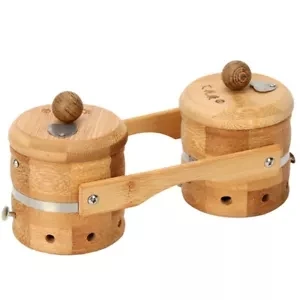
If you have any questions about maintaining your Moxibustion Treasure, or if you’re looking to stock these tools for your wellness business, we’re here to help. We offer maintenance guides, replacement parts, bulk refills, and custom solutions for spas, clinics, and retailers. Don’t let poor care shorten the lifespan of your Moxibustion Treasure—take these small, consistent steps to keep it in top shape for years to come.
Moxibustion Cushion References:
- World Health Organization. (2019). Traditional Medicine Strategy 2019–2023. WHO Press.
- Liu, Y., et al. (2021). “Safety and Maintenance of Moxibustion Devices in Home Wellness Settings.” Journal of Complementary and Integrative Medicine, 18(2), 145–152.
- American Academy of Acupuncture and Oriental Medicine. (2020). Clinical Guidelines for Moxibustion Practice. AACM Press.
Jiaxing Yuanfan Imp. & Exp. Co., Ltd.
As one of the most professional moxibustion treasure manufacturers in China, we’re featured by quality products and good service. Please rest assured to wholesale high-grade moxibustion treasure made in China here from our factory. Contact us for quotation.
Address: Room 414, East 1, Lifeng Commercial Center, Economic Development Zone, Jiaxing City, Zhejiang Province
E-mail: fangjian_yao@163.com
WebSite: https://www.yuanfanmugwort.com/
