Hey there, Rubber Safety Edge
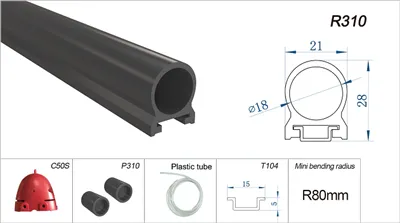
If you’re reading this, you’ve probably stumbled on a corner of a project where outdoor safety’s been nagging at you—maybe a playground ramp, a loading dock edge, a backyard play set, or even a curbed walkway that’s been a trip hazard lately. And if you’re anything like the folks who reach out to me daily, you might’ve had a thought: can rubber safety edges even hold up outside?
I get it. When you’re looking for safety solutions, you don’t want to guess. You don’t want something that looks good in the showroom but crumbles after a summer sunburn or freezes solid when winter hits. As a rubber safety edge supplier, I get asked this question at least three times a week—sometimes from playground managers panicking after a storm, sometimes from contractors wrapping up a commercial outdoor build, sometimes even from a homeowner who just installed a patio edge and forgot it’s gonna face way more than indoor wear.
Let’s cut to the chase: yes, rubber safety edges absolutely work outdoors—but not all rubber edges are created equal. I’ve seen too many clients grab the cheapest “rubber” edging from a big-box store, put it outside, and then blow up my inbox 6 months later asking why it’s cracked, faded, or so stiff it’s useless for soft impacts. The secret is knowing which kind of rubber holds up, and how to install it right so it can handle the great outdoors.
First, let’s talk about what outdoor elements actually do to rubber. It’s not just rain and cold—though those are obvious. Ultraviolet (UV) radiation from the sun? That’s rubber’s public enemy number one. Direct sun breaks down the polymer bonds in regular rubber, turning it brittle, chalky, or cracked in as little as a year. Then there’s temperature swings: if it freezes and thaws constantly (say, in a place like the Upper Midwest, or even high elevation spots), moisture gets into tiny crevices in the rubber, expands when it’s cold, and puffs up, making it warp over time. And let’s not forget the grit, debris, and regular foot/vehicle traffic that comes with outdoor use—stuff that scrapes, grinds, and presses on the edges every single day.
Now, not all rubber edges are made to fight that stuff. Let’s break down the types I stock, and which are best for outdoor jobs:
-
EPDM Rubber Edges: This is my go-to for nearly all outdoor projects. EPDM stands for Ethylene Propylene Diene Monomer, and it’s basically the tough guy of rubber. It’s naturally UV-resistant—we’ve had samples outside for 8 years straight that barely faded, let alone cracked. It handles temperature swings too: stays flexible when it’s 20 degrees out, doesn’t get mushy when it’s 90. I installed a batch of EPDM edges on a municipal playground in Denver 5 years ago, and the only reason they’re getting replaced is because the playground layout changed, not because the rubber wore out. They’ve been through snow, hail, 100+ degree summer heat, and even a few accidental scrapes from bike tires. That’s the real deal.
-
Neoprene Rubber Edges: If you’re dealing with more extreme outdoor stuff—like edges near a dock that gets splashed with saltwater, or industrial loading docks where chemicals (like antifreeze, oil, or cleaning solutions) are a risk—neoprene’s your person. It’s way more resistant to chemicals than regular rubber, so it won’t break down if a spill happens. I’ve got a client in Florida with a marina; they use neoprene edges on the boat slip edges, and even after 3 years of salt spray and direct sun, they’re still as flexible as day one.
-
The cheap stuff: Synthetic rubber blends or recycled rubber scraps: This is the one I tell clients to steer clear of for outdoor use. A lot of “rubber” edging you find at big hardware stores is just cheap filler mixed with a tiny bit of actual rubber. No UV protection, no freeze-thaw resistance. My neighbor used this on his backyard patio last year; by April, it was so brittle you could snap a piece like a cookie. Total waste of $50.
Wait, but even if you get the right rubber, you can mess it up if you install it wrong. I’ve had clients call me saying “your rubber’s garbage” only to find out they glued it to a cracked concrete slab with regular construction adhesive. Outdoor edges need a proper base, and the right fasteners or adhesive. For concrete surfaces, we use a UV-resistant construction adhesive specifically made for rubber and concrete—regular adhesive breaks down in sun. For gravel or loose bases, we recommend embedding the edge a couple inches deep so it doesn’t shift when people step on it. And pro tip: leave a tiny gap between the ends of the edge (like 1/8 inch per 10 feet) so it can expand and contract with temperature changes. No gaps? It’ll bulge in summer, crack in winter. That’s such a small detail, but it makes all the difference.
Let’s talk about common outdoor use cases, too, so you can see how it fits:
-
Playgrounds: This is the big one. The CPSC (Consumer Product Safety Commission) actually recommends using shock-absorbent edges around playground equipment to prevent head injuries if a kid falls. Outdoor EPDM edges do exactly that—they soften impact, stay flexible through all weather, and don’t fade so bad that the kids can’t see where the equipment ends. I’ve seen playgrounds with metal edges that are so hot in summer you can’t touch them, or wood edges that rot after 2 years. Rubber edges solve both of those problems.
-
Loading Docks and Industrial Edges: If you’ve got a warehouse with a loading dock, you need edges that can handle forklift tires, rain, and occasional oil spills. Neoprene edges here are perfect—they don’t crack from forklift hits, resist oil, and don’t get slippery when wet. We’ve got a client in Atlanta with a food warehouse; they use our neoprene edges on their dock bumpers, and even after 4 years of constant heavy use, they still cushion impact way better than the metal bumpers they used before.
-
Backyards and Residential Outdoor Spaces: Whether it’s a patio edge, a ramp leading to a porch, or a tree pit edge that keeps mulch in and tripping hazards out, rubber edges work here too. Homeowners love them because they don’t rot like wood, don’t get muddy like gravel edges, and you can cut them to fit any weird nook (like around a curved patio) without special tools. Just make sure you get EPDM, not the cheap stuff, and install it with adhesive that’s made for outdoor use.
Now, let’s bust a myth I hear all the time: “Rubber edges get too hot in the sun to walk on.” Yeah, if you get the wrong kind. Cheap rubber edges can get really warm, but EPDM and neoprene have a lower heat absorption rate. I stood on an EPDM edge last summer in Texas, when it was 102 degrees out, and it was only warm to the touch—not burning hot. I can’t say the same for the asphalt right next to it, which was too hot to set a bare foot on for more than a second. That’s a big win for kids and pets playing outside.
Another myth: “Rubber edges don’t last long outdoors.” If you use the right material and install it correctly, they can last 10+ years. I’ve had a school district tell me their EPDM edges from 2013 are still going strong. Compare that to wood edges, which need to be sanded and sealed every 2-3 years, or metal edges that rust and get sharp. Rubber edges are low-maintenance too—just spray them off with a hose a couple times a year, and they’re good as new.
Wait, what about cost? I know some folks think rubber edges are pricier upfront, but when you compare to the alternatives, they’re actually a better deal long-term. That $50 cheap rubber edge you bought last year? You’ll have to replace it every year. The EPDM edge I sell? It’s $150 upfront, but it lasts 10 years. That’s way cheaper over time. Plus, if you’re a commercial business or a public park, the safety standards mean you might have to replace edges more often if they’re not up to code. Rubber edges help you stay compliant without the constant replacement cost.
Now, if you’re still on the fence, let’s think about a real example. Last month, a local city’s parks and rec team reached out because their old playground edges had cracked so bad they were a trip hazard. They tried wood edges, which rotted, and metal edges, which rusted. They switched to our EPDM rubber edges, and now 3 months later, they’ve already gotten compliments from parents who say the edges look great and don’t get too hot. They even used the edges on a new splash pad, since EPDM resists water and mold.
So, if you’re ready to stop guessing and get a solution that actually works, here’s the thing: I don’t sell one-size-fits-all rubber edges. I’ll ask you a few simple questions—where are you installing it? What’s the traffic like? What elements is it gonna face—and help you pick the right one. Whether it’s a small residential patio edge or a 100-foot commercial loading dock, I’ve got you covered.
No more wasting money on stuff that falls apart. No more dealing with edges that are too stiff, too soft, or just plain wrong for outdoor use. As a supplier, my job isn’t just to sell you rubber edges—it’s to make sure they last, keep people safe, and fit your specific outdoor needs.
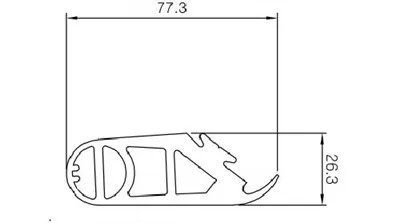
If you’re ready to chat, just reach out. Whether you’ve got a quick question about which type is right for your project, or you’re ready to get a quote for a bulk order, I’m here to help. Don’t settle for subpar safety edges that’ll let you down when you need them most.
Integrated Safety Edge References
- American Society for Testing and Materials. (2021). Standard Specification for Rubber Edges for Safety Applications.
- Consumer Product Safety Commission. (2022). Outdoor Playground Safety Guidelines: Edge Protector Requirements.
- Rubber Manufacturers Association. (2020). EPDM Rubber Performance Properties for Outdoor Applications.
- International Organization for Standardization. (2019). Standard Test Methods for UV Resistance of Rubber Materials for Outdoor Use.
Ningbo Futai Safety Edge Technology Co., Ltd.
Ningbo Futai Safety Edge Technology Co., Ltd. is one of the most professional rubber safety edge manufacturers and suppliers in China, also supports customized service. Please feel free to buy advanced rubber safety edge in stock here from our factory. Contact us for free sample and discount information.
Address: No. 1116, Beihuan West Road, Jiangbei District, Ningbo City, Zhejiang Province
E-mail: info@safety-edge.com
WebSite: https://www.safety-edge.com/
