If you’ve ever rolled with an e-bike, you’ve probably wondered: how long do e-bike inner tubes actually last? As someone who’s been working in the e-bike inner tube game for over a decade, I can tell you it’s not a one-size-fits-all answer. It’s way more complicated than your regular bike tubes—e-bikes are heavier, way more powerful, and people use them for way more than just cruises around the neighborhood. Let’s break it down like we’re grabbing a coffee and geeking out, no fancy jargon here. E-Bike Inner Tube
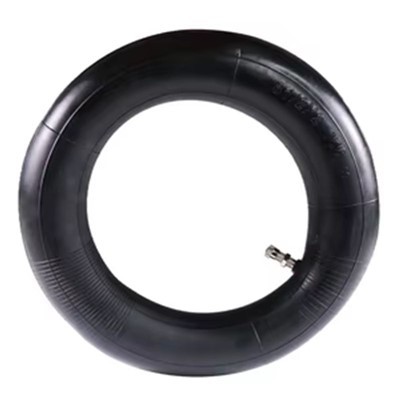
First off, let’s get one thing straight: e-bikes aren’t your casual weekend cruiser. A typical Class 1 e-bike hits like 28 mph, Class 3 can go up to 32, and Class 2 even has a throttle—so that motor’s putting out serious torque. Plus, the average e-bike weighs 50 to 70 pounds, and some heavy-duty cargo e-bikes? They clock in at 100+ pounds. That’s a lot of extra stress on a tube that’s basically a thin piece of rubber. Your old road bike tube might last 2 to 5 years if you baby it, but e-bike tubes? They live in a way harsher world.
Let’s start with the basics: tube construction. Not all e-bike tubes are made equal. Cheap tubes you find at the local gas station? Usually made from thin, low-grade butyl rubber, like 0.8mm thick max. Those are gonna blow way faster. The good ones we supply? We use 1.2mm to 1.5mm butyl, sometimes even heavy-duty butyl or hybrid rubber for cargo e-bikes. Thicker rubber resists punctures and holds up to that extra weight. But even the best construction only gets you so far—what you do with your bike makes the biggest difference.
Punctures are the #1 reason tubes die early. E-bikes get ridden on all kinds of terrain: potholed city streets, gravel paths, grassy backroads. Sharp glass, thorns, small metal shards—all those can stab a tube. But because e-bikes are heavier, when you hit a pothole, the tube gets pressed way harder against the road surface, so even a tiny imperfection can turn into a puncture. I’ve seen a lot of riders who go from a regular bike and don’t adjust their tire pressure, and that’s a huge mistake. If your tire pressure is too low, the tube shifts around inside the tire, gets pinched between the rim and the road every time you roll over a bump, and that’s a fast path to a pinch flat. Some riders go months between checking pressure because the motor makes the bike feel lighter—they don’t notice the underinflation, but the tube pays for it.
Then there’s wear and tear from the inside. Every time you pedal, the wheel spins, and the tube rubs against the inside of the tire. With a heavy e-bike, that friction builds up way faster. I had a customer last year who rode his cargo e-bike 50 miles a day delivering groceries—his tires were only 25mm wide, super narrow for that kind of weight. His tubes started thinning out from the inside after 8 months, no punctures, just regular wear. Narrow tires = more friction on the tube, that’s a rule. If you’re running a 2.5-inch tire for off-roading, you’re way better, but for city commuting, a 1.75-inch is fine as long as you keep pressure up.
Age is another big one, even if you never get a puncture. Rubber degrades over time, plain and simple. Sunlight, temperature changes, even just sitting in a garage for a year—all that breaks down the butyl. A tube that’s 5 years old might look good, but it’s brittle, prone to cracking, and can blow just from inflating it. I’ve had people bring in tubes that are 7 years old, say “I never used them, what gives?” and sure enough, the rubber’s crumbly. That’s why we tell everyone to check the manufacture date on the tube—usually it’s printed on the side. If it’s over 3 years old, even if it’s unused, you might wanna replace it.
How you ride also matters a ton. Aggressive riders who zip around, brake hard, and jump curbs? Their tubes don’t last as long. The sudden jolts put extra stress on the tube, and hard braking can make the wheel skid, dragging the tube against the tire. On the flip side, if you’re a casual rider who sticks to smooth bike paths, checks your pressure every week, and replaces your tires before they get worn thin? Your tube might last 2 to 3 years, maybe even longer. We had a customer who rode his e-bike only on rail trails, no curbs, no glass, and his tube lasted 4 years. That’s not uncommon when you take care of it.
Wait, what about tubeless setups? A lot of people ask that. Tubeless systems use a sealant instead of a tube, but they’re not foolproof. Sealant dries out over time, usually every 6 to 12 months, and if you get a big puncture, the sealant might not cover it. Plus, tubeless rims are heavier, and for heavy cargo e-bikes, some riders still prefer tubes because they’re more reliable for long hauls. Either way, the same rules apply—pressure, terrain, weight will affect the lifespan.
Now, let’s get into the numbers. From what we see as suppliers, the average e-bike inner tube lasts between 1 and 2 years for regular commuters, and 6 to 18 months for heavy use or off-roading. If you’re riding 100+ miles a week, carrying extra cargo, or hitting gravel every weekend, you’re gonna be replacing tubes more often—maybe every 8 to 12 months. On the other hand, occasional riders, careful about maintenance, can get 2.5 to 3 years out of a good quality tube. We’ve had a few customers who use our heavy-duty tubes for their delivery e-bikes and get 14 months out of them, which is way better than the 6 months they were getting from cheap tubes.
So what can you do to make your tubes last longer? Let’s keep this practical, no fancy tricks. First, check your tire pressure every week. Most e-bike tires have a PSI range printed on the side—stay in the middle of that, not too low. Underinflation is the #1 cause of pinch flats, which are super expensive and ruin tubes fast. Second, pick the right tube for your bike. If you have a heavy cargo e-bike, don’t get a standard road tube. Get a heavy-duty one, like the ones we make, with thicker rubber. Third, avoid sharp stuff when you can—potholes, broken glass, nails. If you see a pile of glass, go around it. It’s easier than fixing a flat. Fourth, replace your tires when they’re worn. Worn tires have thin tread, so they let more sharp stuff through to the tube, and the rubber is stiffer, which makes more friction. Fifth, store your tubes properly. Don’t leave them in the sun, don’t roll them up tight and stick them in a dark garage for years. If you have a spare, keep it in a cool, dry place, and check the manufacture date every few months.
We also see a lot of mistakes from new e-bike riders. A lot of people buy a cheap e-bike from a big box store, and the tubes that come with it are super thin. Those are made for regular bikes, not e-bikes, so they wear out way faster. That’s why we tell anyone who’s frustrated with their tubes to upgrade to a quality e-bike-specific tube. It’s a small cost, but it saves you from changing flats every month.
Another thing: flat repair. If you get a puncture, fix it right instead of just patching it and moving on. If you patch a tube with a small hole, make sure you do it properly—clean the area, sand it, use the right patch glue. A bad patch will come loose, and you’ll get another flat. Some riders try to use too many patches, and that weakens the tube over time. If your tube has 3 or 4 patches, it’s time to replace it. We see a lot of riders try to stretch a tube way too far, and it ends up blowing on them mid-commute, which is a total nightmare.
Let’s talk about real-world examples. Last month, a customer brought in his delivery e-bike—he’s a courier who does 70 miles a day, 6 days a week. He’d been using a cheap tube from a local shop, and he was changing tubes every 5 weeks. We sold him our heavy-duty e-bike tubes, and he just came back a week ago, said it’s been 10 weeks and no flats. That’s the difference in quality. Another customer is a retiree who rides his e-bike around town 3 times a week, sticks to paved streets. He’s had the same tube for 3 years, and it’s still going strong. He checks his pressure once a month, never hits curbs or glass, so it’s holding up.
So, putting it all together: e-bike inner tube lifespan depends on three main things: the quality of the tube, how you ride, and how you maintain it. Cheap tubes = shorter life, good tubes = longer life. Aggressive riding, low pressure, rough terrain = shorter life. Gentle riding, good pressure, smooth terrain = longer life. Age also plays a role—even unused tubes go bad after a few years, so don’t hoard spares.
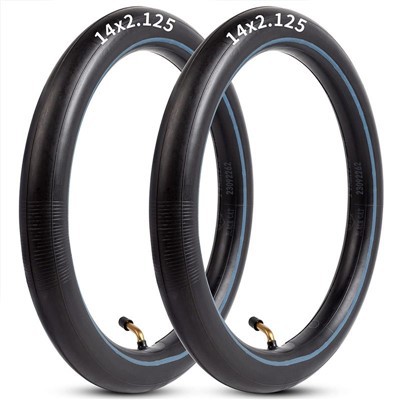
If you’re tired of changing e-bike tubes every couple of months, or you just want to make your current ones last longer, reach out. We make e-bike inner tubes for all types—commuter, off-road, cargo, Class 1, Class 3, you name it. We don’t do cheap, thin tubes that fall apart fast; we build them to handle the extra weight and power of e-bikes. Whether you’re a daily commuter, a courier, or just someone who loves riding their e-bike on weekends, we’ve got the right tube for you. Hit us up to chat about your needs, get recommendations, or place an order.
Motorcycle Tube References:
- International Bicycle Fund. (2022). E-Bike Maintenance Guide: Tire and Tube Care.
- Journal of Rubber Research. (2021). Durability of Butyl Rubber Tires for Heavy-Duty Two-Wheelers.
- Electric Bike Industry Association. (2023). E-Bike Component Lifespan Report.
- Bicycling Magazine. (2022). How to Extend Your Bike Tube’s Lifespan.
- ASTM International. (2020). Standard Specification for Inner Tubes for Bicycles and E-Bikes.
Jiangxi Vimia Tyre Co., Ltd.
We’re well-known as one of the leading e-bike inner tube manufacturers and suppliers in China. We warmly welcome you to wholesale bulk high quality e-bike inner tube in stock here from our factory. If you have any enquiry about quotation, please feel free to email us.
Address: Zone C, Industrial Park, Jinxi County, Fuzhou City, Jiangxi Province
E-mail: 17779452635@139.com
WebSite: https://www.cnvimia.com/
