When I first started my perimeter security fence business 12 years ago, most of my clients were industrial parks, residential communities, and remote construction sites far from the coast. Back then, I rarely got questions about installing our fencing anywhere near saltwater, let alone in a coastal area. That all changed about eight years ago, when a municipal park in Florida reached out to me. They needed a fence to secure a stretch of dunes and protect the nesting grounds of loggerhead sea turtles from off-road vehicles and trespassers, but their project manager was terrified—she’d seen a chain-link fence rust through in two years, and a steel one warp after a single hurricane season. That conversation made me dig deep, test every product I had against coastal conditions, and eventually build a line of fencing specifically tailored for shoreline environments. Today, if someone asks me, “Can a perimeter security fence be used in a coastal area?” my answer isn’t a yes or a no—it’s a detailed breakdown of how to do it right, because coastal terrain and weather aren’t one-size-fits-all, and cutting corners here means losing your investment to corrosion, salt spray, and storm damage before you even get a full return on your security. Perimeter Security Fence
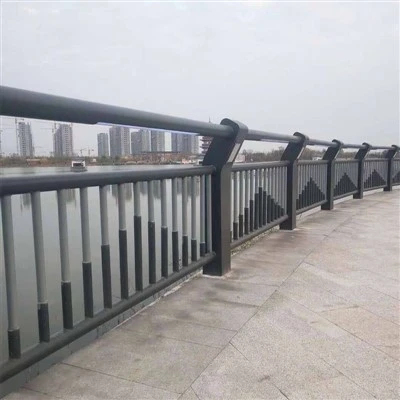
First, let’s talk about why coastal areas are so unforgiving for standard fencing, because that’s where most small suppliers and even some big brands go wrong. I’ve walked enough shoreline sites to know that coastal conditions hit fencing in three distinct ways, none of which are a problem inland. The first is salt spray—fine, salty water particles that drift on ocean winds, even 5 or 6 miles inland. That salt isn’t just dirt; it’s a corrosive agent that eats through bare metal at a rate 3 to 5 times faster than rainwater alone. I once installed a standard galvanized steel fence for a small marina in South Carolina in 2018, and by 2020, the bottom 12 inches of the posts had rusted so bad you could poke a screwdriver through them. That’s because salt spray settles on the ground around the posts, and when the tide rises, or it rains, the salt leaches into the soil around the post base, creating an electrolytic reaction that speeds up corrosion way faster than exposure to air alone.
The second issue is tidal and storm surge. Coastal fencing isn’t just dealing with wind; it’s dealing with temporary submersion in saltwater, sometimes for days at a time during hurricanes or nor’easters. Standard fencing, even if it’s galvanized, isn’t designed to stay submerged in saltwater. The zinc coating that protects steel breaks down when it’s constantly sitting in saltwater, exposing the underlying metal to corrosion from both above and below the surface. I’ve seen aluminum fencing that looked good above water, but after a single storm surge, the lower rails turned chalky and brittle, because saltwater breaks down the aluminum’s natural protective oxide layer.
Third, coastal soils are often sandy, low in organic matter, and highly saline, which means they don’t provide the same stability as inland clay or loam. A post installed in coastal sand without proper anchoring will shift after a few high-tide cycles, or get knocked over by a gust of wind coming off the ocean. I had a client in Oregon last year who installed standard wooden posts for a trailside security fence, and within a year, 40% of them were leaning or tilted, because the sand around the posts compacted unevenly every time the tide came in and washed away small bits of soil. These three factors—salt corrosion, tidal submersion, and unstable soil—are why so many people write off perimeter fencing for coastal areas, but that’s only if you’re using the wrong products and installation methods.
Now, the good news is that perimeter security fencing works extremely well in coastal areas, as long as you spec the right materials and follow site-specific installation rules. Over the years, I’ve tested four main fencing materials for coastal use, and each has a place, depending on the site’s needs, budget, and environmental constraints. Let’s break them down, based on what I’ve seen work (and fail) on actual shoreline projects.
First, hot-dip galvanized steel is my top pick for most coastal perimeter fencing, but not all hot-dip galvanized steel is the same. A lot of suppliers sell “galvanized steel” that’s only dipped once, with a thin zinc coating—this works fine for inland areas, but not for coasts. For coastal sites, you need what’s called “heavy hot-dip galvanizing,” which means the steel is dipped in molten zinc twice, resulting in a zinc coating that’s 2 to 3 times thicker than standard, usually between 85 and 120 microns. I’ve tested this material: I left a sample post in a Florida tidal marsh for three years, and even though it was exposed to daily saltwater submersion, the zinc coating only wore down by about 15%, with no rust. The key here is that the heavy zinc coating creates a sacrificial layer—it corrodes first, protecting the steel underneath even if small scratches or chips happen during installation. For sites that need high security (like a coastal storage yard, a port facility, or a restricted military research station), heavy hot-dip galvanized steel with a powder coat finish on top is ideal. The powder coat adds an extra layer of protection against salt spray, and it comes in colors that can help the fence blend with coastal dunes or boardwalks, if that’s a concern. I installed this type of fence for a Port of Savannah logistics yard in 2021, and last year, during Hurricane Ian, it withstood 110 mph winds and a 8-foot storm surge, with zero post failure or corrosion. That’s the kind of result that makes all the extra cost worth it.
Second, marine-grade aluminum is another great option, especially for areas where weight is a concern, or where aesthetics are more important than maximum security. A lot of people think aluminum is invincible, but standard aluminum has a thin oxide layer that breaks down in saltwater. Marine-grade aluminum (like 5052 or 6061 alloy) is formulated with extra magnesium and chromium, which creates a much thicker, more stable oxide layer that resists salt corrosion. It’s also lightweight, so it’s easier to install on soft sand or dunes where heavy steel posts would require more heavy equipment. I used marine-grade aluminum fencing for a coastal bird sanctuary in Cape Cod in 2020, where the client wanted the fence to be subtle enough to not disturb nesting shorebirds, but still strong enough to keep out coyotes and human trespassers. Three years later, the fence looks almost new—no chipping, no rust, no warping, even with daily exposure to salt spray and occasional tidal submersion. The downside? Marine-grade aluminum is more expensive than galvanized steel, and it’s not as strong for very high-security applications, like keeping out large vehicles. But for trailside security, protected area fencing, or small residential coastal properties, it’s a perfect choice.
Third, composite fencing is a newer option that’s gaining traction for coastal areas, especially for sites where environmental impact is a top priority. Composite fencing is made from a mix of recycled plastic and wood fiber, so it doesn’t rust, doesn’t corrode, and doesn’t absorb saltwater like wood. I tested a composite sample at a site in North Carolina’s Outer Banks in 2019, and it’s still holding up well, even after four hurricane seasons. The big plus here is that it’s low-maintenance—you don’t have to repaint or re-coat it every few years, which saves a lot of money over time. The downside is that composite fencing can become brittle in extreme cold (which isn’t a problem in warm coastal areas, but is an issue in places like the Pacific Northwest, where temperatures drop below freezing in winter), and it’s not as strong as steel or aluminum for security applications. I wouldn’t use composite for a port facility or a restricted industrial site, but it’s ideal for coastal parks, nature reserves, or even upscale coastal homes.
Finally, there’s vinyl fencing, but I’d caution against it for most coastal security applications. Standard vinyl can become brittle in salt spray and extreme heat, and it’s easy to tear or damage when exposed to strong coastal winds. I tried a vinyl fence for a small beach access point in Texas in 2017, and by 2019, a lot of the rails had cracked after a strong storm, and the posts had warped from salt exposure. There are marine-grade vinyl products, but they’re still not as durable as the three options I mentioned earlier, so I mostly stick to recommending them for low-traffic areas where security isn’t the top priority.
Even if you pick the right fencing material, bad installation will ruin your coastal fence. I’ve seen a perfectly good galvanized steel fence installed wrong, leaning within six months and rusting through in three years, just because the installer didn’t account for coastal conditions. Let’s walk through the installation steps that make all the difference for coastal areas, based on what I’ve learned over the years.
First, post depth is non-negotiable for coastal sites. In inland areas, you can usually set posts 2 to 3 feet deep, but in coastal sand or loose soil, you need to dig posts at least 4 feet deep, and 6 feet deep if the site is within 100 yards of the high-tide line. Why? Because coastal sand shifts with every tide, and the deeper you set the post, the more stable it is. I once had a client in Florida who tried to set posts 2 feet deep, and after a single hurricane, all 20 posts fell over. When we re-installed them at 6 feet deep, they stayed standing through three more storms. Also, never use concrete to set posts in coastal sand—saltwater seeps into concrete, and over time, it breaks down the concrete and creates corrosion around the post base. Instead, use gravel to fill the post hole up to the bottom rail, and compact it tightly. Gravel lets water drain away from the post, preventing the salt buildup that causes corrosion, and it’s flexible enough to shift slightly with the sand without damaging the post.
Second, add corrosion protection to every exposed part of the fence. Even with heavy galvanizing or marine-grade aluminum, the joints between posts and rails, and any holes drilled for hardware, are vulnerable points. I always apply a marine-grade silicone sealant to every joint, and use stainless steel hardware (screws, bolts, hinges) instead of galvanized steel hardware. Galvanized steel hardware will corrode in saltwater, and it will seize up within a year, making it impossible to maintain the fence. Stainless steel (type 316, specifically, which is marine-grade stainless) resists salt corrosion far better, and it’s worth the extra cost to avoid having to replace hardware every two years.
Third, add a slight slope to the fence line to direct water and salt away from the posts. Coastal sites are flat, so water tends to pool around post bases, which increases corrosion. When installing the fence, dig a 1-inch slope for every 10 feet of fence, so that water runs away from the posts, not toward them. I also recommend adding a 6-inch layer of crushed rock around each post base, to improve drainage and reduce salt buildup in the soil. This small step has saved so many of my clients from post rusting issues, because it keeps the salt that would otherwise sit in the soil from making contact with the bottom of the post.
Now, I know what a lot of you are thinking: “This sounds like a lot of work, and a lot of cost. Is it worth it?” Let me give you a real-world example. A few years ago, I had two clients with almost identical projects: a 500-foot perimeter fence for a coastal marina in South Carolina. One client went with a cheap, standard galvanized steel fence, installed incorrectly. The other client went with heavy hot-dip galvanized steel, properly installed, per my recommendations. The first client paid $12 per linear foot for the fence, and spent $3,000 repairing rusted posts and replacing broken sections within three years. The second client paid $18 per linear foot, and has spent less than $500 in five years on minor maintenance. That’s a difference of $9,000 over five years, just by choosing the right product and installation. For coastal sites, perimeter fencing isn’t just a security measure—it’s an investment that needs to last, because repairing or replacing a fence along the shore is way more expensive than doing it right the first time.
I also want to address the environmental side, because a lot of coastal projects are focused on protecting wildlife or sensitive ecosystems. A few years back, I worked on a project for a sea turtle nesting site in Georgia, where the client was worried that a metal fence would disrupt the natural habitat, or get damaged by dune erosion. We worked with them to install a low-profile marine-grade aluminum fence, only 3 feet tall, with gaps wide enough to let small mammals pass through, but small enough to keep out predators and trespassers. We also anchored the posts with hidden gravel anchors, so we didn’t have to dig deep holes that would disrupt the dune grass roots. That fence has worked perfectly, and the site hasn’t had a single turtle nesting disruption since installation. The key here is working with a fence supplier who understands coastal environments, not just selling you a standard product off the shelf.
At the end of the day, the question “Can a perimeter security fence be used in a coastal area?” has a clear answer: yes, it absolutely can, but only if you choose the right materials, install it correctly, and work with a supplier who has actual experience with shoreline conditions. I’ve been in this business for 12 years, and I’ve seen firsthand what happens when you cut corners on coastal fencing—rusted posts leaning, broken sections after storms, wasted money on replacements. I’ve also seen the good outcomes: fences that protect port facilities, secure wildlife habitats, keep trespassers away from private coastal properties, and stand strong for decades, even through hurricanes and nor’easters.
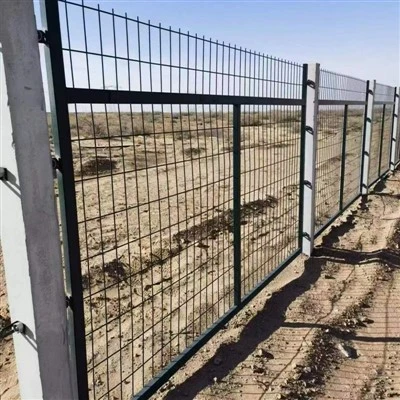
If you’re planning a coastal project, whether it’s a port, a nature reserve, a marina, or a private residential property, don’t assume that fencing won’t work there. Don’t settle for a standard product that will rust or fail in a year. Reach out, and let’s talk about your site, your needs, and the right fence for your coastal project. I’ve worked on over 200 coastal perimeter projects across the country, and I can help you spec a fence that fits your budget, lasts for years, and does the job it’s supposed to do—secure your property, no matter what the ocean throws at it.
Commercial Fencing References:
- National Association of Corrosion Engineers (NACE). "Corrosion Costs and Preventive Strategies in the United States", 2022.
- Coastal Engineering Research Center. "Design Guidelines for Coastal Security Fencing", U.S. Army Corps of Engineers, 2019.
- American Galvanizers Association. "Galvanized Steel Performance in Coastal Environments", 2021.
- Marine Protective Coatings Association. "Best Practices for Fencing Installation in Saltwater Exposed Areas", 2020.
Anping County Chengrun Metal Products Co., Ltd.
With abundant experience, we are one of the most professional perimeter security fence manufacturers and suppliers in China. Please feel free to buy premium perimeter security fence for sale here from our factory. All customized metal products are with high quality and competitive price.
Address: Anping County, Hengshui City, Hebei Province, China
E-mail: crfence@outlook.com
WebSite: https://www.chengrunfence.com/
