If you’ve ever stood at a soccer field on a rainy Saturday, squinting at the blurry text on a sports trailer’s LED screen, or noticed how the old unit can’t keep up with the fast pace of high school football or semi-pro baseball stats, you’ve probably wondered: can you actually upgrade that screen instead of buying an entirely new trailer? As someone who’s spent the last 7 years fixing, tweaking, and upgrading sports LED trailers for teams and event organizers across the US, I’m here to cut through the noise. Short answer: yes—most of the time, you can upgrade your existing trailer’s LED screen, and it’s almost always better than dumping cash on a whole new unit. But there are a few key things you need to know before you start tearing wires and ordering new panels. Sports LED Trailer
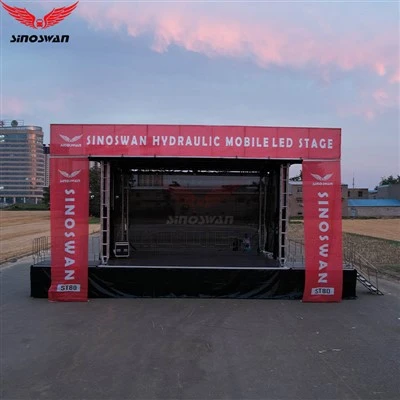
Let’s start with the basics. I get calls every week from people who think “upgrading” means slapping a giant, fancy new screen on the front of their trailer. Nope—it’s not that simple. The first thing we check when someone reaches out is the trailer’s core infrastructure, because that’s what determines if an upgrade is even possible. Most sports trailers we sell (and most competitors’ models, tbh) are built with a universal mounting frame for LED screens. We spec those frames to fit standard panel sizes: usually 10ft x 20ft or 12ft x 24ft, because those are the most common for outdoor sports venues. So if your trailer has that standard frame, you’re already halfway there. The problem comes when the frame is messed up—like if someone added a random custom panel 5 years ago or the frame was damaged in a transport accident. That’s a quick fix, though; we can reinforce or adjust the frame for a few hundred bucks before we even touch the screen panels.
Next up is the power and control system. This is the part most people overlook, and it’s where I’ve seen way too many DIY projects go wrong. Your old LED screen runs on a control box (usually a small computer that manages the pixels, connects to your laptop, and handles content) and power inverters that convert the trailer’s battery juice to the high voltage LED panels need. If you’re upgrading from an old, low-resolution screen (think 720p or even lower) to a modern 4K or high-refresh-rate panel, you need to make sure that control box and power setup can handle the new load. For example, if your old screen draws 500 watts, a new high-brightness panel might draw 1,200 watts—way more than your old inverter or battery bank can handle. I had a client last year in Des Moines who tried to swap his screen himself, hooked up a new 4K panel, and burned out two inverters and his trailer’s deep-cycle battery in an hour. He called me panicking, and it took us half a day to rewire his power system and swap the control box to match the new panel. That’s why we always do a full pre-upgrade check of the power and control gear before we quote anything.
Now, let’s talk about the actual screen panels. Not all LED panels are created equal, and upgrading isn’t just about bigger size. If your old screen has a 10mm pixel pitch (that means each pixel is 10mm apart, so it looks blurry when you stand close) and you switch to a 5mm or 3mm pixel pitch, that’s a huge upgrade for the spectators near the trailer. For outdoor sports, you also need to match the brightness level to your venue. If your trailer is used for evening games at a small town field, a 5,000-nit panel works. But if you’re at a large high school with floodlights or a pro-am event that runs into dusk, you need a 7,000-10,000 nit panel to keep the screen visible without glare. A lot of people buy cheap online panels that say “10,000 nits” but only hit that number when it’s completely dark—total waste of money. We only source panels that are tested for outdoor durability, too, because these trailers get banged up driving to events, exposed to rain, dust, and even snow in the winter. Cheaper panels die in 2-3 years; ours last 7-10, which is why our clients come back for upgrades instead of new trailers.
Wait, but what if my trailer is older—like 10+ years old? Can I still upgrade that? Good question. I had a client in Cleveland with a 12-year-old trailer he’d bought secondhand. The original screen was shot, and he thought he’d have to replace the whole thing. We did an inspection: the frame was solid, the power system was still in good shape, but the old control box was proprietary to the original manufacturer, so we couldn’t match it to new panels. Instead of forcing a custom control box that would have cost more than the upgrade, we swapped out the entire control system (new universal one) and used a mid-range LED panel that fit the existing frame. He saved over $4,000 compared to buying a new trailer. The only time upgrading an old trailer doesn’t make sense is if the frame is rotted, the power system is shot, or the trailer’s overall condition is too far gone. We’ll always tell you straight up if upgrading isn’t worth it, no hidden agendas.
Another big thing: content compatibility. Your new LED screen won’t do you any good if you can’t run your team’s highlights, game stats, or sponsor ads on it. Most modern upgrades work with standard software like Adobe Premiere, Canva, or even live stats tools like StatCrew, but if your old control box was using outdated software, you might need a quick software update or a simple adapter to connect your laptop or tablet to the new panel. We include that adapter and a 30-minute training session for every upgrade we do, so you don’t end up staring at a blank screen at a game. I’ve had a few clients skip the training and call me in a panic because they couldn’t figure out how to load a sponsor ad 10 minutes before kickoff. Easy fix, but better to just get the training upfront.
Let’s talk cost, because that’s always the big question. A full new sports LED trailer can run anywhere from $15,000 to $50,000, depending on size and features. Upgrading an existing screen? We usually charge between $2,500 and $10,000, depending on the panel size, pixel pitch, and any power or frame adjustments needed. That’s a no-brainer for most teams and event organizers. For example, a high school in Toledo upgraded their 10-year-old trailer’s screen last year for $3,800, and that included a new 8,000-nit panel, frame reinforcement, and a new control box. They were able to run live stats for their football playoff games, and sponsors loved the clearer ads—they even covered the entire upgrade cost in a single new sponsorship.
But wait, what about warranty? That’s a huge one. When you buy a new trailer, you get a 1-3 year warranty. If you upgrade your existing screen, what happens to the warranty? At our company, we offer a 2-year full warranty on all screen upgrades, including parts and labor. We don’t cut corners on that, because we stand behind the work. A lot of third-party upgrade services will sell you a cheap panel and offer a 90-day warranty, which is basically useless if a pixel dies mid-season. We also offer extended warranties if you want them, for a small extra fee, so you don’t have to stress about the screen breaking right before a big tournament.
I know some of you are thinking, “Can I do this myself?” Maybe, but I highly advise against it. I’ve seen people wire panels wrong and cause electrical fires (yes, that’s a real thing that happened to a guy in Detroit), mount panels crooked so they look terrible for spectators, and order the wrong size panel that doesn’t fit their frame. It’s not just about screwing a panel to a frame—you have to calibrate the pixels so they line up perfectly, test the power load during full brightness, and make sure the control system communicates with the panel without lag. The 3 hours you save by doing it yourself aren’t worth the risk of ruining a $5,000 panel or burning out your entire trailer’s electrical system. We offer mobile service too, so we can come to your location, whether it’s a field in the middle of nowhere or a parking lot, and do the upgrade in a day or two.
Let’s wrap this up, because I know you’re probably ready to stop squinting at blurry screens. So to answer the original question: yes, you can upgrade the LED screen on your sports trailer, and it’s almost always a smarter, cheaper move than buying new. But here’s the quick checklist to make sure it works for you: 1) Check if your trailer has a standard mounting frame (most do, especially if it’s a newer model or from a reputable supplier like us). 2) Get a full power and control system check to make sure it can handle a new, brighter panel. 3) Pick a panel with a pixel pitch and brightness level that matches your venue—don’t buy the biggest, brightest one just because it’s on sale. 4) Leave the installation and calibration to the pros, because a tiny mistake can cost you big time.
If you’re on the fence, don’t wait. Old screens die fast, and event organizers and fans expect clear, high-quality visuals now—no more blurry stats or half-bright ads. We’ve upgraded over 150 sports LED trailers in the last few years, and every single one of our clients has told us they wish they’d done it sooner. They’ve gotten more sponsorship money, higher attendance at games, and way fewer complaints from fans about the screen being too dark or blurry.
So if you’re ready to upgrade your sports trailer’s LED screen, or just have questions about whether it’s possible for your specific trailer, reach out. We’ll send a tech to do a free inspection at your venue, give you a no-obligation quote, and answer every question you have—no sales pressure, no hidden fees. We’ve worked with high schools, semi-pro leagues, and even local festival organizers, so we know exactly what works for different budgets and event types. Don’t settle for a screen that holds your team or event back. Let’s get you a clear, bright upgrade that makes every game, every play, every sponsor ad look its best.
Gospel Truck References
- National Sports Equipment Association. (2022). Outdoor LED Display Best Practices for Temporary Sports Venues.
- LED Professional Association. (2023). Guide to Pixel Pitch and Brightness for Outdoor Sports Displays.
- Trailer Builders & Repairers Association. (2021). Infrastructure Compatibility for Mobile LED Screen Upgrades.
- StatBroadcast Inc. (2022). Live Display Compatibility for Sports Event Scoreboards and Stats Systems.
Zhengzhou Sinoswan Tech Co., Ltd.
Zhengzhou Sinoswan Tech Co., Ltd. is one of the most professional sports led trailer manufacturers and suppliers in China. We are committed to providing high quality customized products for global clients. We warmly welcome you to wholesale durable sports led trailer for sale here from our factory. Also, quotation is available.
Address: No.21 Shangdu Road, Zhengzhou, Henan Province, China
E-mail: info@sinoswan.com
WebSite: https://www.electiontruck.com/
